Top 10 Machine Tool Innovations to Watch in 2026?
The landscape of the Machine Tool industry is rapidly evolving. Experts predict groundbreaking innovations by 2026 that may redefine manufacturing. According to Dr. John R. Mitchell, a leading authority in the Machine Tool sector, "The next wave of technology will revolutionize how we think about production." His insights reflect the anticipation surrounding advancements in automation and AI integration.
In recent years, we have seen how digitalization has transformed manufacturing practices. Innovations in machining efficiency and precision are just the beginning. However, challenges remain. Many manufacturers struggle to keep pace with changing technologies. There is uncertainty about how to best implement these innovations.
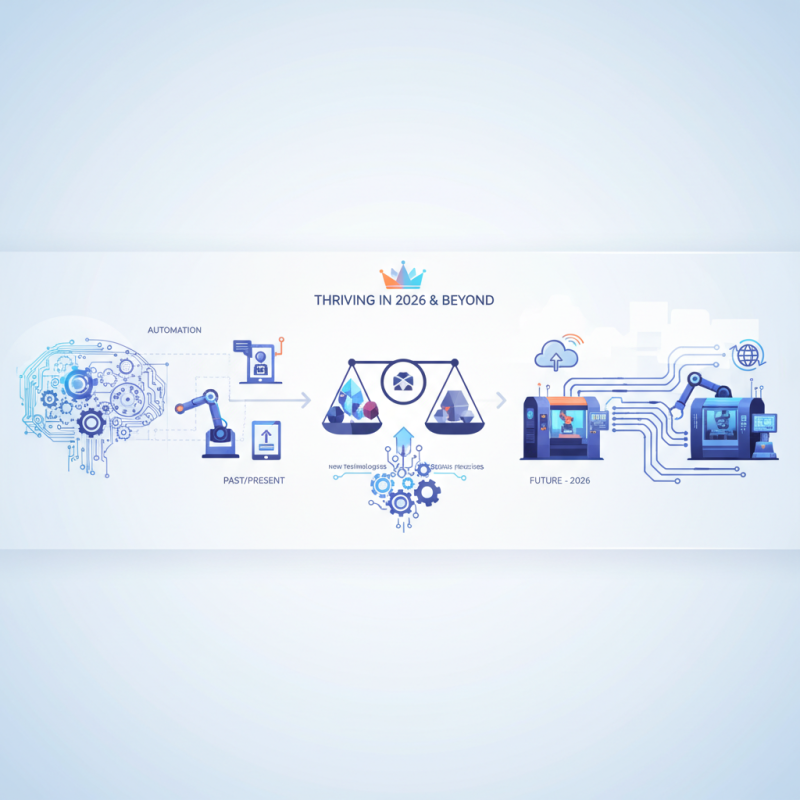
As we look ahead, the excitement is palpable. Emerging technologies promise to enhance productivity and reduce waste. Yet, it is crucial to approach these innovations thoughtfully. The future of Machine Tool innovations requires a balance between adopting new technologies and maintaining reliable, established practices. Addressing this will be key to thriving in 2026 and beyond.
Emerging Materials for Enhanced Machine Tool Durability in 2026
Emerging materials are transforming the landscape of machine tool durability. In 2026, innovations in composites and ceramics promise to extend tool life. These materials resist wear and tear, improving efficiency in manufacturing. For example, ceramic cutting tools exhibit remarkable hardness. They are essential for high-speed machining.
Another area of focus is the development of smart materials. These materials adapt to changing conditions. They can self-repair minor damages, minimizing downtime. Their application in machine tools could revolutionize maintenance practices. Reduced repairs mean increased productivity, a vital metric in competitive industries.
However, all advancements come with challenges. The integration of these materials often requires significant investment. Not all manufacturers can afford this shift. There is also the knowledge gap in understanding new material behaviors. Training for workers becomes necessary to optimize performance. Embracing these innovations involves navigating both the rewards and the learning curves ahead.
Top 10 Machine Tool Innovations to Watch in 2026
This bar chart illustrates the expected advancements in machine tool innovations, focusing on emerging materials that enhance durability. The data reflects the estimated impact on performance and longevity for various categories of machine tools by 2026.
AI-Driven Automation: Revolutionizing Machine Tool Operations and Efficiency
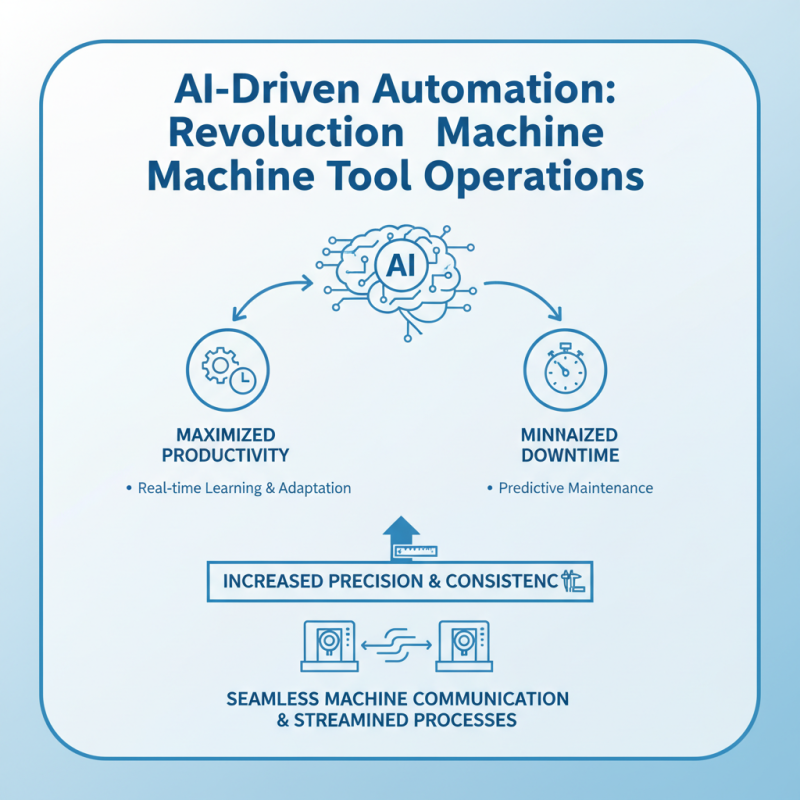
AI-driven automation is changing machine tool operations significantly. It introduces systems that learn and adapt in real-time. This innovation maximizes productivity and minimizes downtime. Operators can expect an increase in precision and consistency. The machine tools communicate seamlessly with each other, streamlining processes.
However, the transition to AI automation is not without challenges. Workers may face a steep learning curve. Training becomes essential for maximizing the technology's benefits. Maintaining human oversight is crucial to address unexpected failures. The balance between human touch and automation will require careful evaluation.
As machine tools evolve, businesses must adapt their strategies. Leveraging AI requires understanding its limitations. Innovation should not overshadow human intuition and expertise. Thus, while the future looks bright, reflection on these changes is necessary for sustainable success.
Advanced Sensor Technologies for Predictive Maintenance in Manufacturing
Advanced sensor technologies are set to revolutionize predictive maintenance in manufacturing. By 2026, insights predict that the global predictive maintenance market will reach approximately $23 billion, growing at a compound annual growth rate (CAGR) of nearly 28%. This growth is driven by advancements in sensor integration and data analytics. Sensors are capable of detecting anomalies in machine performance, providing real-time data to engineers.
These technologies help prevent costly downtime. For instance, a manufacturer using predictive maintenance can save about 10-20% on maintenance costs. Businesses can reduce failure rates by 50%. Despite these benefits, many manufacturers have not fully adopted these innovations. A lack of understanding about sensor capabilities may hold them back.
Tip: Start small. Implement sensors on key machines first. Collect data and analyze results before a broader rollout.
Investing in training is also crucial. Employees need to know how to interpret sensor data. This knowledge leads to more informed decision-making. A focus on building a culture that embraces data-driven processes can facilitate smoother integration of these technologies into existing systems.
Tip: Encourage collaboration between teams. Sharing insights can enhance effectiveness. Adopting sensor technology is not just a task; it’s a strategy for the future.
Next-Generation CNC Systems: Precision and Flexibility Redefined
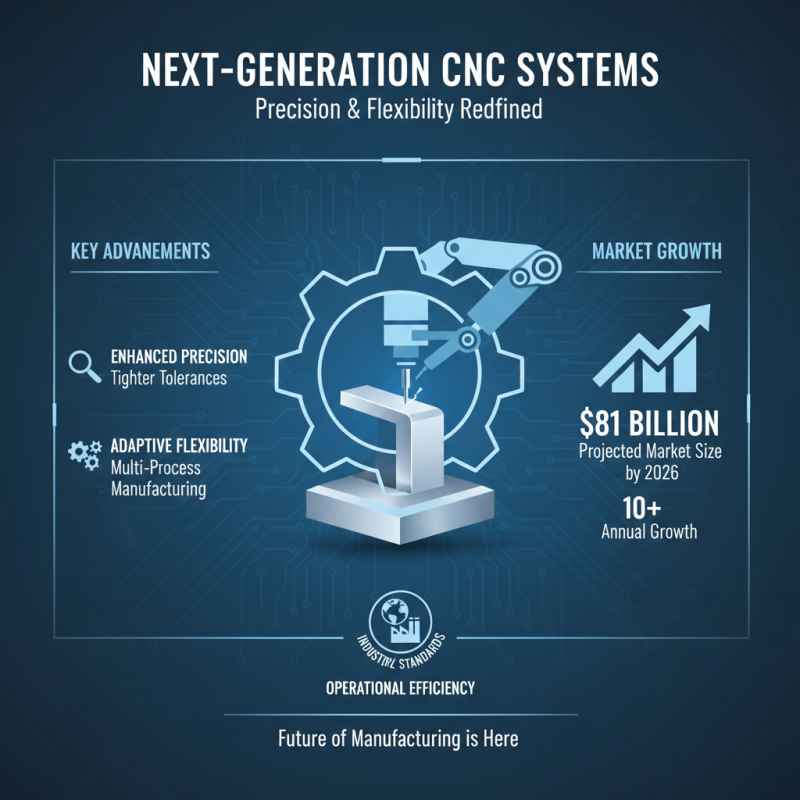
The landscape of CNC systems is evolving rapidly. Next-generation CNC systems are pioneering advancements in precision and flexibility, redefining industry standards. Recent data from industry reports suggest a projected growth in CNC market size by over 10% annually, reaching $81 billion by 2026. These systems are designed to adapt easily to various manufacturing processes, enhancing operational efficiency.
In these new CNC systems, advanced algorithms improve precision dramatically. Reports indicate that users experience up to a 30% reduction in setup time. This flexibility allows manufacturers to respond swiftly to changing demands. However, the transition may not be seamless. Many companies face challenges in workforce adaptation and system integration. Training personnel on these advanced systems remains a crucial and often overlooked aspect.
Moreover, the complexity of these innovations can sometimes pose challenges. Not all manufacturers are equipped to handle such sophisticated technology. The integration of AI and machine learning in CNC processes is promising but presents a learning curve. Reflections on real-world applications highlight both the potential and pitfalls. As machines become smarter, the need for human oversight will remain essential to navigate this evolving landscape.
Sustainable Manufacturing Innovations in Machine Tool Design and Production
Sustainable manufacturing is reshaping machine tool design and production. New materials and processes focus on reducing environmental impact while maintaining efficiency. The shift toward eco-friendly designs is gaining momentum, pushing manufacturers to rethink traditional methods. Lightweight composites and recycled materials are becoming popular choices.
Despite advancements, challenges remain. Not all sustainable materials perform at the same level as traditional ones. Compatibility with existing production lines can pose significant issues. Companies must balance cost and sustainability. This can lead to difficult decisions regarding investments in new technology versus sticking with established practices.
In addition, energy efficiency is a pressing concern. Innovations in power usage must align with production goals. Some manufacturers still struggle with adapting to greener technologies. The path to sustainability in machine tool production requires ongoing evaluation and commitment. Transitioning isn't straightforward, but every step counts.