Top 10 Blade Drill Bits for Precision Drilling Needs?
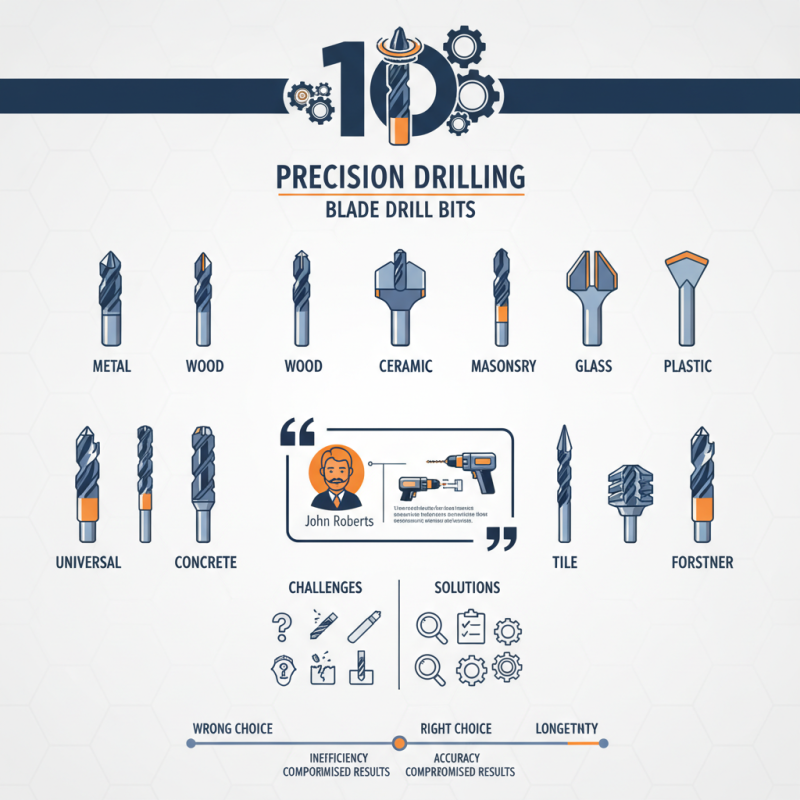
In the world of precision drilling, choosing the right tool can make all the difference. Blade Drill Bits stand out as essential components. These tools are designed for accuracy and efficiency. Renowned expert John Roberts emphasizes this by stating, "The right blade can transform a standard drill into a precision instrument."
Blade Drill Bits offer various styles and sizes, each tailored for specific materials and applications. Some are crafted for metal, while others excel in wood or masonry. However, with numerous options available, selecting the right bit can be overwhelming. Users often face challenges in understanding which design aligns with their needs. The nuances in blade shape and material can significantly impact drilling performance.
Mistakes in choosing a Blade Drill Bit can lead to inefficiency and compromised results. It's crucial to consider factors like drill speed and surface type. While many drillers are experienced, even seasoned professionals can falter in making the best selection. The right knowledge and guidance can help avoid common pitfalls. Ultimately, investing in high-quality blade bits can enhance accuracy and longevity, proving their worth in precision tasks.
Overview of Blade Drill Bits and Their Applications
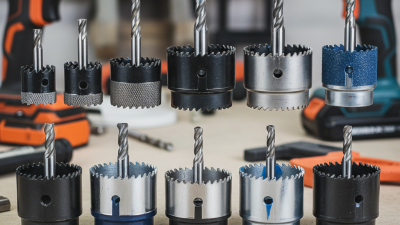
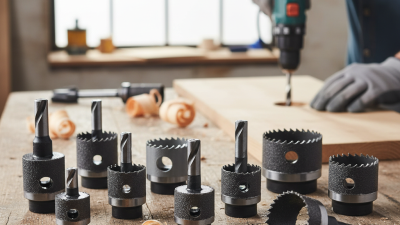
Blade drill bits are essential tools in precision drilling applications. They come in various designs suited for different materials, making them highly versatile. These bits usually feature sharp edges that facilitate clean cuts and accurate holes. Their geometry allows for efficient chip removal, preventing damage during the drilling process.
Applications of blade drill bits range across woodworking, metalworking, and construction. In woodworking, they create precise holes for dowels or fittings. For metalworking, they effectively handle tough materials, ensuring durability. However, using the wrong bit can lead to inefficiency and wasted materials.
Despite their benefits, choosing the right blade drill bit requires careful consideration. Factors such as material type, bit size, and drilling speed play significant roles. Many users overlook these variables, which can lead to subpar results. Regular maintenance is also crucial; dull bits can compromise the accuracy of the drilling process. Understanding the intricacies of blade drill bits enhances both the quality of work and the longevity of the tools.
Top 10 Blade Drill Bits for Precision Drilling Needs
| Bit Type |
Diameter (inches) |
Material |
Application |
Max RPM |
| High-Speed Steel |
0.250 |
HSS |
Metal Drilling |
3000 |
| Cobalt Steel |
0.375 |
Cobalt |
Stainless Steel Drilling |
2500 |
| Carbide Tipped |
0.500 |
Carbide |
Concrete Drilling |
1800 |
| Diamond Coated |
0.125 |
Diamond |
Glass and Ceramics |
4000 |
| Twist Drill |
0.200 |
HSS |
General Purpose |
3500 |
| Spade Bit |
0.600 |
Carbon Steel |
Wood Drilling |
1200 |
| Auger Bit |
0.750 |
Steel |
Wood and Soil |
1500 |
| Forstner Bit |
0.550 |
Carbon Steel |
Flat Bottom Holes |
2000 |
| Countersink Bit |
0.150 |
High-Speed Steel |
Screw Head Seating |
2500 |
| Step Drill Bit |
0.300 |
HSS |
Sheet Metal |
1800 |
Criteria for Selecting Precision Blade Drill Bits
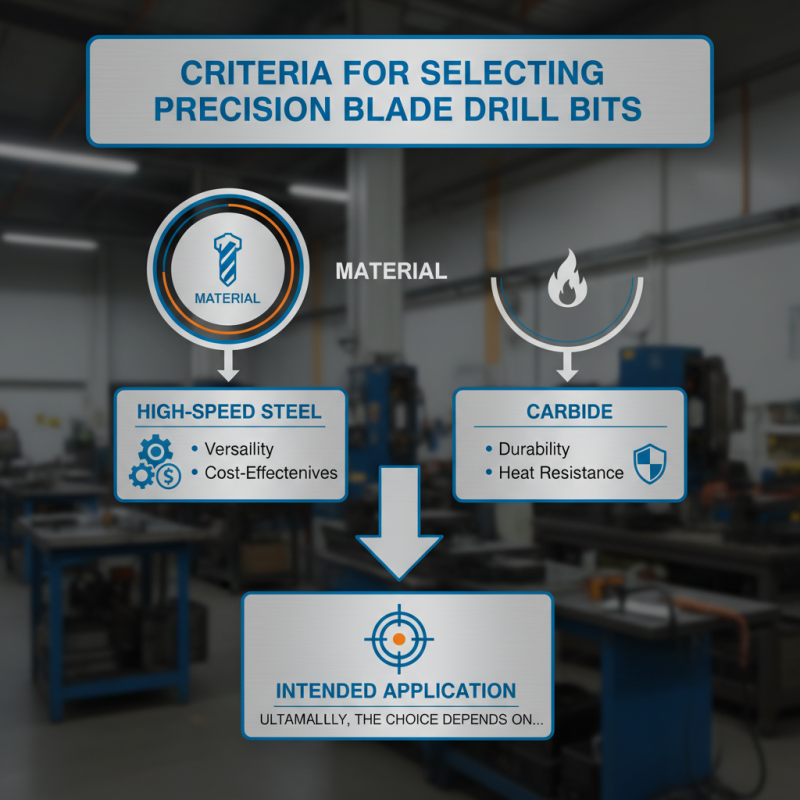
When selecting precision blade drill bits, several criteria stand out. First, consider the material of the bit. High-speed steel and carbide are common choices. Each offers specific benefits. HSS provides versatility and cost-effectiveness, while carbide excels in durability and heat resistance. Ultimately, the choice depends on the intended application.
Another important factor is the bit geometry. Look for features like cutting edge design and tip angles. Sharp edges can enhance cutting efficiency. A proper tip angle allows for smoother entry into the material. Different shapes can affect how the bit interacts with various substances, such as wood or metal.
Additionally, reviewing the manufacturer’s specifications can provide insights into performance expectations. This helps gauge precision and suitability for your needs. Many users overlook this step and may face challenges later. Weighing user reviews and testing feedback can also guide your decision. Precision drilling requires attention to detail, so investing time in your selection is crucial.
Top 10 Blade Drill Bits for Various Materials
Blade drill bits are essential for achieving precision in various materials. Their design allows for smooth cuts, making them ideal for wood, metal, and plastic. When drilling through hardwood, use a bit with sharp edges. It will minimize tear-out and ensure clean holes. For soft materials, a less aggressive bit may suffice.
Choosing the right bit is crucial. Each material requires specific features. For example, metal demands durable bits with high-speed steel. Wood, on the other hand, benefits from brad-point tips for accuracy. When in doubt, consult a materials guide or an expert in the craft store.
Tips: Always keep your drill steady. Uneven pressure can lead to misalignment. If a bit seems stuck, do not force it. Instead, back off slightly to release the pressure. Don’t hesitate to practice on scrap material first. It helps refine your technique without risking your main project.
Maintenance and Care for Blade Drill Bits
Blade drill bits are essential for precision work. Proper maintenance can extend their lifespan and improve performance. Regularly inspecting your bits for wear and damage is crucial. Small nicks can lead to larger issues if not addressed promptly.
Cleaning the drill bits after each use helps prevent build-up of debris. Use a soft brush or cloth to remove dust and shavings. Avoid harsh chemicals; they can damage the bit's surface. Store them in a dry place to prevent rusting.
Here are some tips to keep in mind: Keep the bits sharp; a dull bit can be more dangerous and inefficient. Always use the right bit for the material. Experimenting can lead to unwanted outcomes. Finally, remember to check the alignment before drilling. Misalignment can cause uneven holes. Taking these simple steps will improve your projects significantly.
Comparative Analysis of Performance Features in Blade Drill Bits
When selecting blade drill bits for precision drilling, it’s vital to analyze performance features closely. Blade drill bits often vary in shape and size, which can impact drilling accuracy and access in tight spaces. Some bits provide finer control, while others prioritize speed. Factors such as material, coating, and design all influence how well a blade drill bit performs. This variability can lead to different outcomes even under similar drilling conditions.
In the quest for precision, understanding the impact of drill bit geometry is essential. For example, some bits feature sharper angles that reduce friction and improve penetration. However, these shapes might wear faster. The choice of material also plays a significant role; harder materials extend durability but might compromise speed. Users should assess specific needs, as not every feature aligns with every project. Testing different bits can reveal strengths and weaknesses that aren’t immediately apparent. Sometimes, opting for the familiar may keep one from discovering a better-suited tool for certain applications.