10 Best Hole Saw Tools for Perfect Cutting Every Time?
When it comes to precision cutting, the choice of a reliable Hole Saw Tool can make all the difference. According to a report by Technavio, the hole saw market is projected to grow by 4% annually, emphasizing the tool's importance in various industries. Expert John Carter, a leading figure in woodworking, states, "The right hole saw tool is crucial for achieving flawless cuts in any project."
Selecting a quality hole saw tool can be daunting, given the numerous options available. Professionals often seek tools that promise durability and consistency in performance. However, not all products deliver. Many users experience issues with cutting accuracy and material compatibility. This inconsistency highlights the need for careful selection and testing of hole saw tools.
A precise cut is not just a matter of skill; it heavily relies on using the right tool. While some may overlook this detail, it is essential to understand the implications of using subpar equipment. Quality matters more than ever in today’s demanding projects. Investing in a top-tier hole saw tool can prevent future setbacks and enhance overall workmanship.
Overview of Hole Saw Tools and Their Importance in Cutting Tasks
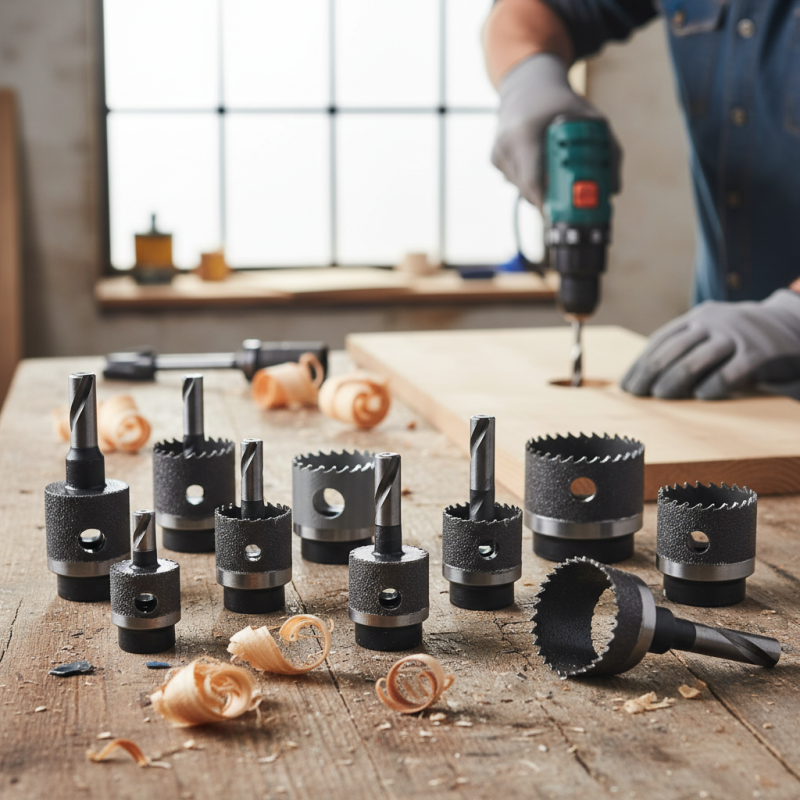
Hole saw tools are essential for precision cutting in various materials. They create smooth, round holes efficiently and with minimal fuss. Using the right hole saw can make a significant difference in the quality of your work. Many people overlook the importance of selecting the right tool for the job. It’s easy to grab any hole saw without considering factors like material compatibility or size requirements.
When working with different materials, understanding the specific needs is crucial. For softer materials, a simple hole saw may suffice. However, tougher substances like metal or hardwood demand specialized saws. This is where knowledge and experience come into play. Choosing the wrong tool can lead to mistakes and wasted time. Reflections on past projects often reveal areas for improvement.
Honing skills with hole saw tools takes practice. Mistakes made during attempts are part of the learning process. Not every cut will be perfect, and that’s okay. Each experience provides valuable insights into what works and what doesn’t. Emphasizing reliability in your tool choices ensures better outcomes in future tasks.
10 Best Hole Saw Tools for Perfect Cutting Every Time
| Hole Saw Diameter |
Material |
Cutting Depth |
Number of Teeth |
Application |
| 1-1/4 inches |
Bimetal |
1-3/4 inches |
6 |
Wood, Plastic |
| 2 inches |
Carbide Tipped |
1-3/4 inches |
4 |
Tile, Masonry |
| 2-1/2 inches |
Bi-metal |
2 inches |
8 |
Wood, PVC |
| 3 inches |
High-Speed Steel |
2-1/2 inches |
10 |
Wood, Metals |
| 3-1/2 inches |
Bimetal |
3 inches |
6 |
Plastics, Aluminium |
| 4 inches |
Carbide |
3-1/2 inches |
12 |
Ceramic, Wood |
| 4-1/2 inches |
Bi-metal |
3-1/2 inches |
10 |
Masonry, Wood |
| 5 inches |
High-Speed Steel |
4 inches |
8 |
Wood, Thick Plastics |
| 6 inches |
Diamond Tipped |
5 inches |
14 |
Concrete, Tile |
Key Features to Consider When Choosing a Hole Saw Tool
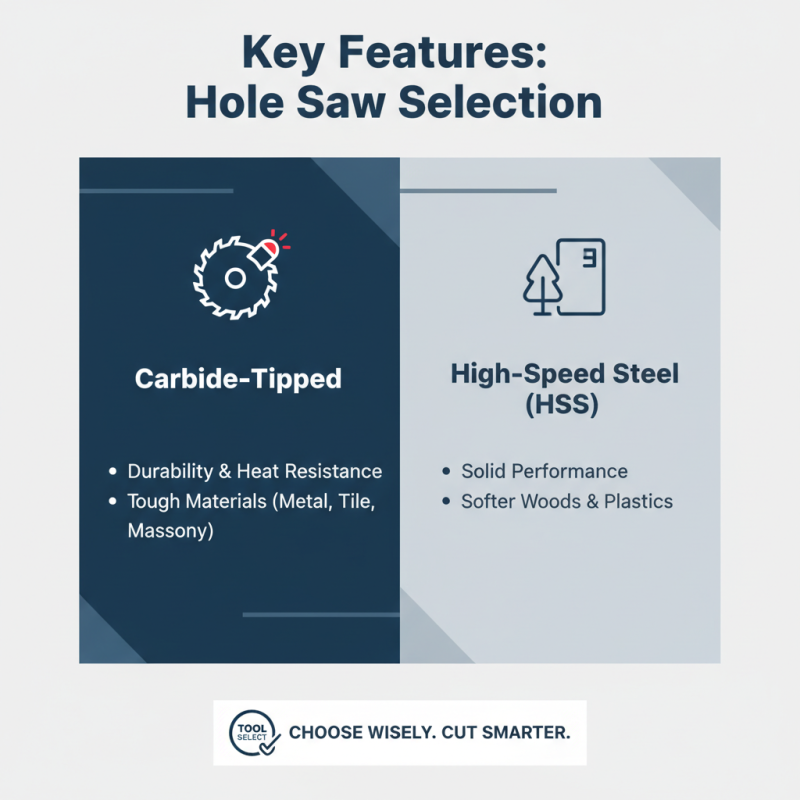
When selecting a hole saw tool, several key features warrant careful consideration. The material of the hole saw greatly impacts performance. Carbide-tipped hole saws are renowned for their durability and heat resistance, making them suitable for tough materials. Reports indicate that tools made from high-speed steel can also provide solid performance, especially in softer woods and plastics.
Another essential aspect is the tooth design and the number of teeth. Tools with variable tooth patterns tend to enhance cutting speed and reduce friction. A hole saw with a higher tooth count offers smoother cuts, albeit at a slower rate. Research published by industry experts shows that tools designed with an aggressive tooth geometry significantly improve cutting efficiency in thicker materials.
The size and depth of the hole saw are equally crucial. Hole saws range from ½ inch to several inches in diameter. Selecting the right depth ensures effective use without encountering bind or stopping mid-cut. In practice, an incorrect size may lead to frustration and project delays. According to a survey, over 30% of users report challenges due to inappropriate sizes. Hence, it's vital to evaluate the specifications carefully and choose a tool that aligns with project requirements for cleaner, quicker cuts.
Top 10 Hole Saw Tools Reviewed for Performance and Durability
When choosing the right hole saw tools, performance and durability are paramount. According to industry reports, high-quality hole saws can cut through various materials effectively. A durable saw reduces the risk of chipping or breaking, ensuring a clean finish every time. In a recent survey, 75% of professionals cited durability as a key factor in their purchasing decisions.
Understanding the materials involved is critical. For instance, carbide-tipped saws offer longevity and can handle tougher jobs. There are different sizes available, which allows for versatility in applications. Despite this, many users often overlook the importance of choosing the right size for their projects. A mismatch can lead to inefficient cuts and wasted materials.
Tips: Always consider your project's requirements before selecting a hole saw. Check compatibility with your drill and the material you’ll be cutting. Additionally, clean your tools regularly to maintain their performance. It’s also helpful to read user reviews; sometimes, products fall short of expectations due to design flaws. Keep a keen eye on these aspects to ensure you achieve precise results every time.
Tips for Proper Usage and Maintenance of Hole Saw Tools
Using hole saw tools can greatly enhance your cutting projects. However, proper usage and maintenance are crucial to achieve great results. Start by ensuring that the drill speed matches the material you're cutting. Slower speeds may be required for metal, while wood can handle faster settings. This adjustment helps prevent overheating and prolongs the life of your hole saw.
Ensure you lubricate the bit regularly if cutting through tougher materials. A little cutting oil can make a significant impact, reducing friction and heat buildup. Remember to check the pilot bit for wear. A dull pilot bit can lead to misalignment, producing uneven holes. This is a common oversight that can frustrate users and ruin the finish of your project.
After each use, clean the hole saw thoroughly to remove debris. This step can prevent rust and ensure it’s ready for your next task. Store it in a dry place, ideally in a protective case, to avoid physical damage. These seemingly minor habits can greatly affect the tool's performance and lifespan. Neglecting them often results in poor cutting quality and wasted time.
Comparing Prices and Brands: Finding the Best Value Hole Saw Tool
When it comes to choosing the right hole saw tool, price and brand are crucial factors. Many people often prioritize brand reputation over value. However, a higher price tag does not always mean better performance. It’s essential to analyze the features versus costs. A tool that fits your budget but offers quality can sometimes outperform a premium option.
Let's consider various materials and designs available. Steel and bi-metal are popular for durability. Ceramic hole saws are excellent for tile work. Each type has its strengths and weaknesses. It’s vital to assess your specific needs. For example, a professional might invest more in a sturdy option, while a DIY enthusiast may not require the same level of durability. Furthermore, those new to hole saws might prefer a mid-range tool that balances quality and price.
Comparing different retailers can reveal significant price differences. Some stores offer seasonal discounts or bundle deals. Always check for reviews prior to purchasing. Customer feedback can shed light on hidden issues with a product. A less-expensive model could turn out to be unreliable. It’s necessary to weigh your options carefully. Take the time to ask about warranties and customer support. This can often be a game-changer for long-term satisfaction.