What is an Industrial Machine Tool and How is it Used?
Industrial machine tools play a vital role in modern manufacturing. These machines are essential for shaping, cutting, and finishing materials. They help create everything from car parts to intricate electronics.
Manufacturers rely on industrial machine tools for precision and efficiency. With advanced technology, these tools enable complex operations, enhancing productivity. However, they require skilled operators to maximize their potential. Mistakes can lead to costly errors or delays.
Understanding the benefits and challenges of industrial machine tools is crucial. While they streamline production, improper use can impact safety and quality. Thus, continuous training and regular maintenance are necessary. This insight into industrial machine tools reveals their importance in shaping the future of industry.
What is an Industrial Machine Tool? Definition and Overview
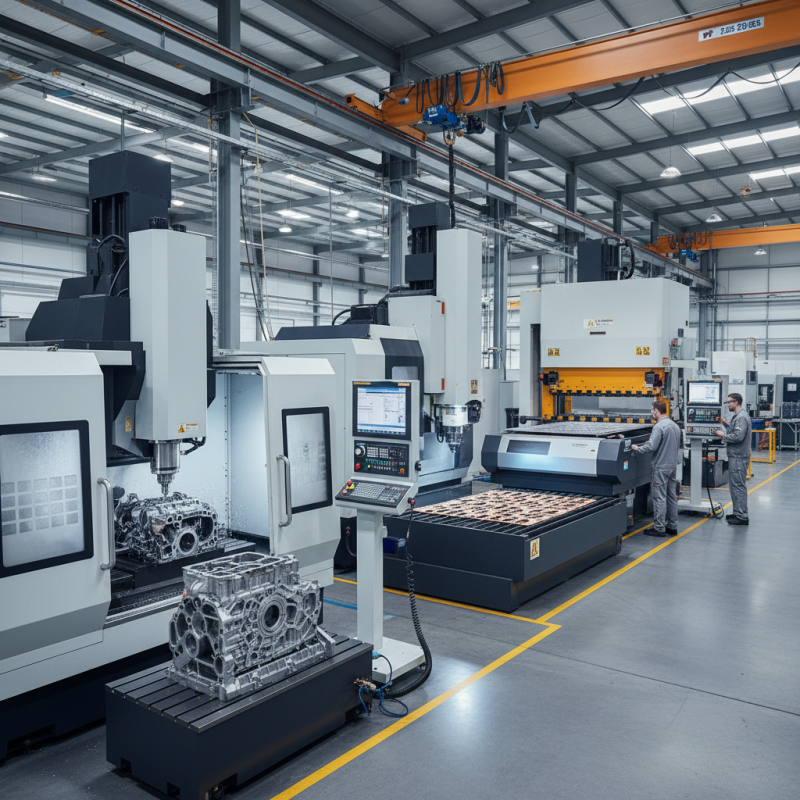
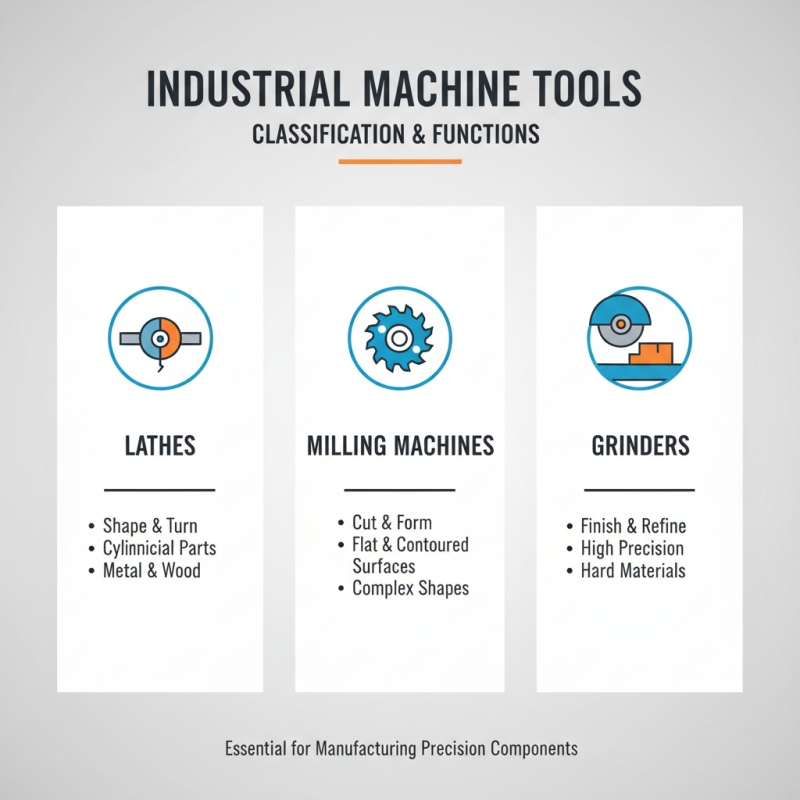
Industrial machine tools are essential for modern manufacturing. These tools are designed to shape, cut, and finish materials like metal and wood. They play a vital role in creating precision components for various industries. An industrial machine tool includes lathes, milling machines, and grinders. Each type serves a specific purpose in the manufacturing process.
Understanding industrial machine tools can be complex. For instance, lathes rotate materials against cutting tools, creating cylindrical shapes. Milling machines, on the other hand, use rotary cutters to remove material from a workpiece. While many technicians master their operation, challenges persist. Calibration errors or worn parts can lead to inaccuracies. It is crucial to maintain these machines to ensure their reliability.
The expertise required to operate these tools effectively cannot be overstated. Professionals often undergo training and acquire certifications. However, the industry faces skill gaps. New technologies constantly emerge, making it harder for some workers to keep up. Staying informed about innovations is necessary for continued success in this field.
What is an Industrial Machine Tool and How is it Used?
| Dimension |
Description |
| Definition |
Industrial machine tools are machines used to shape, cut, or form materials, often in manufacturing processes. |
| Types |
Types include lathes, mills, drills, and grinders, each serving different fabrication purposes. |
| Materials Used |
Common materials include metals, plastics, and composites, depending on the application. |
| Applications |
Used in various industries such as automotive, aerospace, and tool-making for precision part manufacturing. |
| Operating Principles |
Operate by removing material from a workpiece, typically using a cutting tool. |
| Control Systems |
Modern tools often use CNC (Computer Numerical Control) for higher precision and automation. |
| Benefits |
Increased precision, efficiency in production, and the ability to create complex geometries. |
| Challenges |
High setup costs, need for skilled operators, and maintenance requirements. |
Key Types of Industrial Machine Tools: Classification and Functions
Industrial machine tools play a vital role in manufacturing. These tools are used to shape, cut, or form materials into precise components. In this sector, understanding the different types of machine tools is essential. They are classified mainly into lathes, milling machines, and grinders, among others. Each serves specific functions tailored to the manufacturing process.
Lathes are designed for rotational shaping of materials. They excel in producing symmetrical parts. Reports indicate that the global lathe market was valued at approximately $6 billion in recent years. Milling machines are versatile and can perform various operations, from simple to complex shapes. According to market analysis, the demand for milling machines is expected to grow, reaching around $10 billion by 2025. On the other hand, grinders are critical for achieving fine finishes on products. The grinder market is often overlooked but is crucial for high-precision industries.
Each type of machine tool has its advantages and challenges. For instance, lathes require skilled operators. Improper use can lead to material waste or equipment damage. Furthermore, the precision required in milling can lead to longer production times if not managed well. As industries evolve, exploring these tools’ limitations and capabilities will remain imperative for improving manufacturing efficiency.
The Role of Machine Tools in Manufacturing Processes and Production
Machine tools are essential in manufacturing processes. They shape, cut, and finish materials, allowing for high precision. According to a report by Grand View Research, the global machine tools market size reached over $95 billion in 2021 and is projected to expand at a compound annual growth rate of 4.5% from 2022 to 2030. This growth is driven by increasing automation in factories and the demand for customized products.
Consider how CNC (Computer Numerical Control) machines operate. They offer enhanced accuracy, reducing material waste. However, challenges exist. Transitioning to CNC requires skilled personnel. A report by Deloitte also notes that nearly 30% of manufacturers face a skills gap, impacting productivity.
Tip: Investing in training programs can bridge this gap.
Automation, while beneficial, can pose risks. Relying too heavily on machines may lead to reduced human oversight. This could result in costly errors. Proper calibration and maintenance of machines are crucial for optimal functioning.
Tip: Regularly review machine performance metrics. Engage operators in this process to identify areas for improvement. Ultimately, balancing technology with human expertise is vital for successful manufacturing.
Industrial Machine Tool Usage: Applications Across Various Industries
Industrial machine tools play a pivotal role in modern manufacturing. These machines are integral for shaping, cutting, and finishing metal, plastic, and other materials. According to a report by Grand View Research, the global machine tools market size was valued at over $70 billion in 2021 and is projected to grow at a compound annual growth rate (CAGR) of 6.2% from 2022 to 2030. This growth highlights the increasing demand for precise manufacturing processes across various industries.
In automotive and aerospace sectors, machine tools are vital. They ensure exact specifications, improving safety and efficiency. For instance, CNC machines provide automated precision that reduces human error. In construction, tools like lathes and milling machines shape parts for infrastructure. Similarly, medical device manufacturing utilizes advanced machine tools to create intricate components. A McKinsey report noted that the material processing industry could save up to 25% in operating costs through advanced machinery.
Despite these advancements, challenges remain. Many companies struggle with integration and maintenance of these complex systems. Skilled labor shortages also hinder productivity. Therefore, continuous investment in training and technology is essential for optimizing machine tool usage. The balance between embracing innovation and addressing operational hurdles requires ongoing reflection and adaptability.
Industrial Machine Tool Usage Across Various Industries
Latest Trends in Machine Tool Technology: Innovations and Data Insights
The landscape of industrial machine tools is rapidly evolving. Recent trends indicate a shift towards automation and smart technologies. Manufacturers are integrating sensors and AI into machine tools. This helps in predicting maintenance needs and optimizing productivity. The use of data analytics is crucial. It allows companies to monitor performance in real-time. This transition marks a significant leap in efficiency.
Tips: Embrace automation carefully. Not all processes benefit from it. Assess your unique needs first. Collect data on your current tools. Identify areas that require improvement.
Sustainability is also a key focus. Energy-efficient machines are becoming essential. Companies need to find ways to reduce their carbon footprint. Adopting green technologies can be an effective strategy. However, it's important to approach these trends with caution. Many solutions may sound appealing but can be costly.
Tips: Research extensively before investing. Seek expert advice to evaluate new technologies. Conduct pilot tests to measure impact.