Why Choose the Right Drill Tools for Your Project Needs?
Choosing the right drill tools for your project is crucial. According to industry expert Mark Thompson, "Quality drill tools make all the difference." He emphasizes that the success of a project often hinges on the tools chosen for the job.
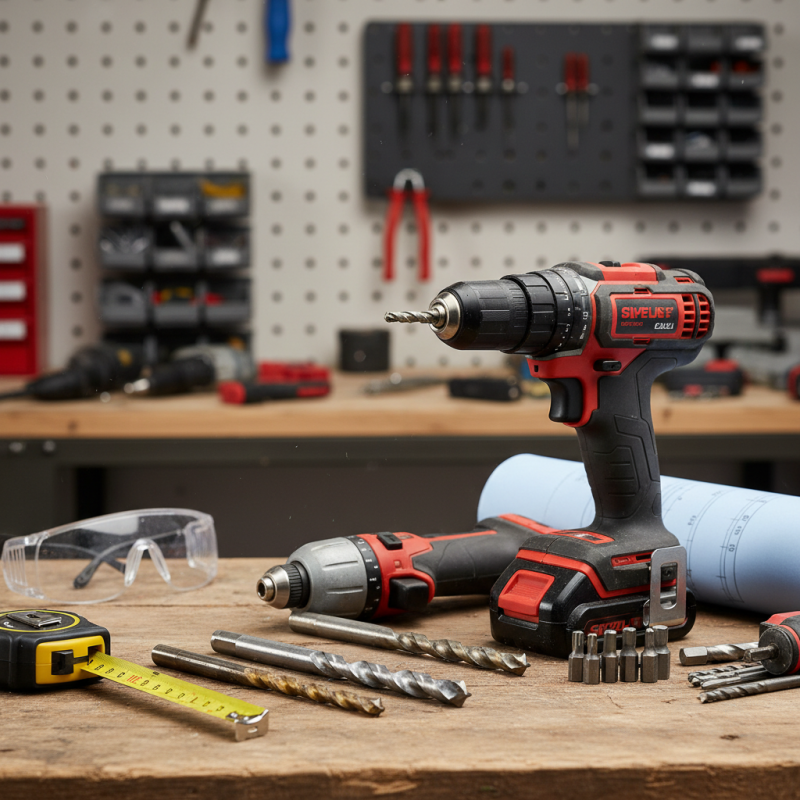
Drill tools come in various types, materials, and sizes. Each serves a specific purpose and achieves different results. Whether you are a DIY enthusiast or a professional, understanding your needs is vital. Selecting the wrong drill tool can lead to inefficiency and frustration. It's not just about having the right tools; it's about having the right tools for the task.
Moreover, familiarity with various drill tools can deepen your understanding of their functions. Not every drill tool will suit every project. Some may excel in speed, while others offer precision. Reflecting on the tools you use can enhance your overall efficiency and outcome.
Understanding the Importance of Choosing the Right Drill Tools
Choosing the right drill tools is crucial for the success of any project. A good tool can make tasks easier and safer. However, many people overlook this vital aspect. They often select tools based on price rather than suitability. This can lead to frustration and even injuries.
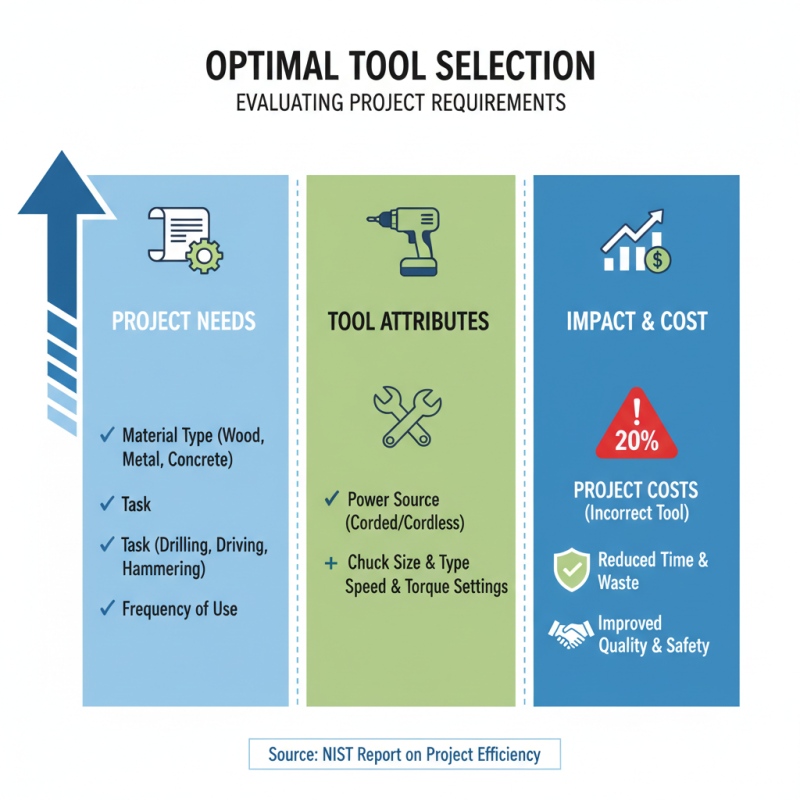
Different projects require different drills. For instance, a wood project needs a specific type of bit. Concrete work demands another. Understanding these differences is essential. A mismatched tool can ruin materials and waste time. Inadequate tools may lead to subpar results, impacting the overall quality.
Experience teaches us that investing in the proper tools pays off. Reliable resources help identify the right options. However, people might still struggle with choices. It’s important to acknowledge this challenge. Engaging with knowledgeable suppliers can bridge gaps in understanding. Ultimately, better choices lead to more successful outcomes.
Types of Drill Tools and Their Specific Applications
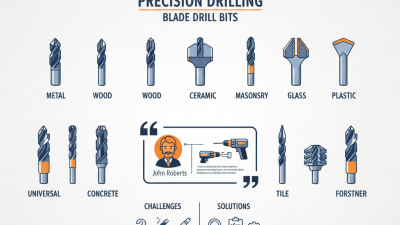
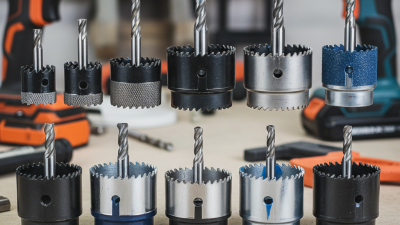
When it comes to drill tools, understanding their specific applications is crucial for project success. Different tasks require different drill types. For instance, a masonry drill bit excels in stone and concrete but struggles with wood. Conversely, spade bits are designed for quick wood drilling, making them less effective in harder materials.
In a recent industry report, it was noted that 70% of project failures stem from using inappropriate tools. Choosing the right drill can dramatically improve efficiency and outcome. A reliable option is a twist drill, ideal for metal and plastic. These versatile bits are widely used, proving their effectiveness across many industries.
Tip: Always assess the material you are working with before selecting a drill tool. An incorrect choice not only slows progress but may also lead to tool damage. Lastly, if a drill bit shows wear after just a few uses, reconsider the quality or suitability of the tool for your project. Investing in appropriate tools is essential for avoiding frustration and ensuring that your work meets industry standards.
Why Choose the Right Drill Tools for Your Project Needs? - Types of Drill Tools and Their Specific Applications
| Type of Drill Tool |
Specific Application |
Features |
| Cordless Drill |
Household tasks, Light construction |
Portable, Versatile, Rechargeable |
| Hammer Drill |
Drilling into concrete, Masonry work |
Impact mechanism, High torque |
| Rotary Drill |
Heavy-duty drilling tasks |
Powerful motor, Durable |
| Impact Driver |
Driving screws and fasteners |
High torque, Compact size |
| Boring Machine |
Large hole drilling in wood or metal |
Precision, Stability |
Factors to Consider When Selecting Drill Tools for Your Needs
When selecting drill tools for your projects, several factors are crucial. The material composition of the drill bit significantly impacts performance. For instance, carbide bits are generally preferred for their durability when drilling in harder materials. According to industry reports, using the correct material can increase drill life by up to 50%. Weighing the pros and cons of each type is necessary to avoid costly mistakes.
Another key factor is the drill's size and power. A tool's RPM (revolutions per minute) can dictate its efficiency. For example, lower RPMs are effective for hard materials, while higher RPMs work best on softer surfaces. Neglecting the power requirements can lead to inadequate results and equipment failure. Always consult the specs for the job at hand.
Tips: Consider the project scope. Assess if you genuinely need a high-powered drill or if a standard option suffices. Stay aware of your work environment too; using the wrong type could lead to unsafe conditions. Finally, research drill compatibility with your existing tools to ensure seamless operation. Misalignment here can derail progress and increase costs.
Best Practices for Maintaining and Using Your Drill Tools Effectively
Drill tools are essential for various projects. Maintaining these tools effectively can enhance their performance and lifespan. Regular cleaning after each use is crucial. Dirt and debris can cause malfunction, leading to project delays. According to a survey by the National Tool and Equipment Association, poorly maintained tools account for 30% of worksite accidents. Keeping tools in top condition is a safety priority.
Proper usage also plays a role in maintaining drill tools. Following the manufacturer's guidelines ensures optimal performance. Overloading a drill can lead to overheating and damage. A report by the American Industrial Hygiene Association indicates that nearly 40% of tool failures stem from improper usage. Using the right drill bit for the material can significantly reduce wear and tear. It’s important to regularly inspect tools for wear signs, such as dull bits or frayed cords, which can compromise safety and efficiency.
Investing time in maintenance is often overlooked. Many users believe that just using the tools is enough. In reality, neglect can lead to costly repairs or replacements. Statistics show that regular maintenance can improve tool longevity by up to 50%. Reflecting on these practices can make a substantial difference. Consider implementing a routine check to enhance both safety and productivity in your projects.