Why Choose the Right Hacksaw Blades for Your Projects?
Choosing the right hacksaw blades is crucial for achieving success in your projects. Industry expert John Smith, a seasoned engineer, once said, “The blade is as important as the tool itself.” His insight speaks volumes about the impact of selecting suitable hacksaw blades.
Hacksaw blades are not just about cutting. They determine the quality of the finish, the speed of the work, and the safety of the user. Using the wrong type can lead to frustrating results. Imagine struggling with a blade that dulls too quickly. It wastes time and effort, leaving you with more questions than answers.
Inadequate attention to your choice of hacksaw blades can turn a simple task into a nightmare. The right blade makes cutting easier and more precise. Yet, not all blades are created equal. Often, individuals underestimate how blade material and tooth count can affect performance. Understanding these factors can make all the difference in your craftsmanship.

Understanding the Importance of Hacksaw Blade Selection
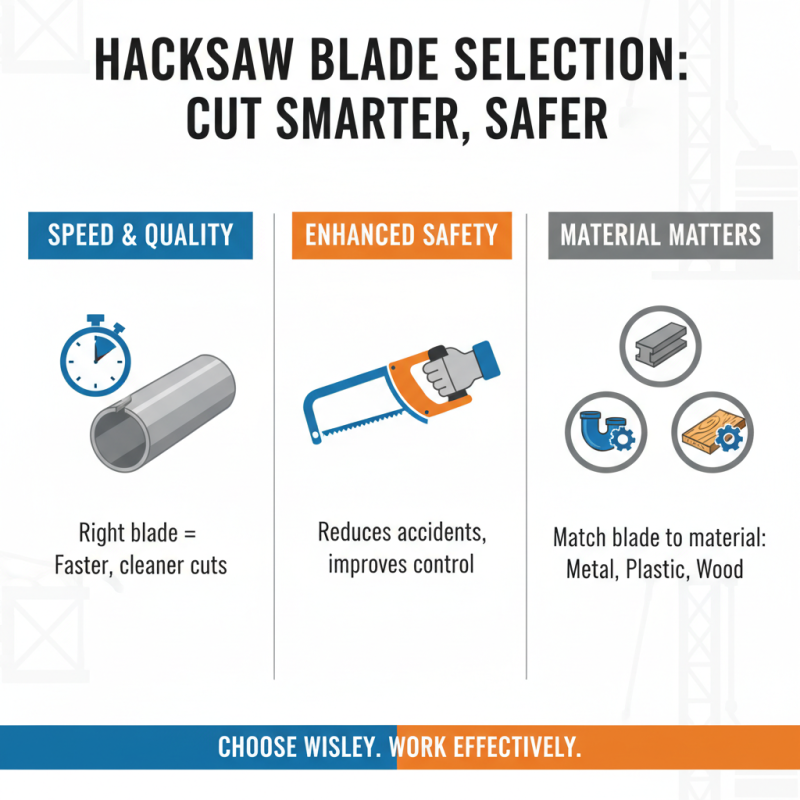
Choosing the right hacksaw blade is crucial for effective cutting. The right blade makes a significant difference. It determines the speed and quality of the cut. A good blade also enhances safety during a project. Different materials require specific blades. Using the wrong one compromises the outcome.
Material type matters. For example, cutting metal demands a different blade than cutting plastic. When selecting a blade, consider the tooth count. More teeth offer a smoother cut but work slower. Fewer teeth cut faster but can lead to rough edges. Understanding these distinctions helps in achieving better results.
Many users overlook blade quality. A cheap blade may seem appealing but can lead to frustration. It may break or wear out quickly. Investing in quality blades saves time and effort. Reflection on past projects can reveal how blade choice impacted results. Take the time to evaluate your needs. The right hacksaw blade is essential for project success.
Types of Hacksaw Blades and Their Applications
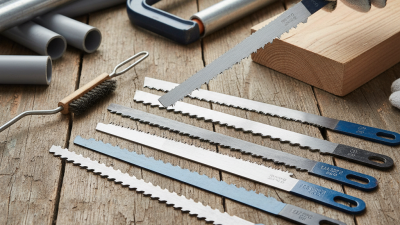
When it comes to hacksaw blades, understanding the types available is crucial for various projects. There are several categories of blades, each developed for specific materials. Bi-metal blades, for instance, are highly versatile. They can cut through metal, plastic, and wood. Data from industry reports indicate that bi-metal blades account for approximately 60% of the hacksaw blade market due to their durability and efficiency.
Another important type is the carbon steel blade, which is ideal for cutting softer materials. They are less expensive but wear out faster compared to bi-metal ones. If you are planning to tackle a project requiring precision cuts on thinner metals, a high-speed steel blade may be your best option. These blades can withstand higher cuts but require a steady hand and experience.
Tips: Always match the blade to your material for optimal performance. Switching blades can impact your project’s outcome. Experimenting with different types can be enlightening, revealing strengths and weaknesses you may not have realized before. Don’t shy away from trial and error; it’s an essential part of the learning process.
Factors to Consider When Choosing Hacksaw Blades
Choosing the right hacksaw blades is essential for efficient cutting in various projects. Several factors play a crucial role in making the best selection. The material to be cut is a primary consideration. For steel, a blade with fewer teeth may work better. Conversely, a denser material requires a blade with more teeth for an effective cut.
Blade length is also a significant aspect. A standard blade typically measures 12 inches. However, longer blades can be necessary for larger projects. Users often overlook the blade's material. Selecting bi-metal blades may offer added durability and flexibility, though they tend to be pricier.
Tips: Always assess the cut type you need. A rough cut doesn't require precision, while fine work demands a finer tooth configuration. Check the compatibility of the blade with your hacksaw before starting. Careful choices lead to better project outcomes. Don't rush this step; a poor blade choice can lead to frustration and wasted resources.
Common Materials of Hacksaw Blades and Their Benefits
When selecting hacksaw blades for your projects, understanding the common materials is crucial.
Bi-metal blades are popular due to their durability. They combine high-speed steel teeth with a flexible back. This design allows for cutting through tough materials without breaking easily.
Steel blades, on the other hand, are more affordable and suitable for softer materials like plastic or wood. They lack the longevity of bi-metal blades but can be effective for simple tasks.
Carbon steel blades are commonly used for basic metal cutting. They are easy to sharpen, which adds to their appeal.
However, they may dull quickly when used on harder materials. HSS (High-Speed Steel) blades are more suitable for industrial applications. They endure higher temperatures and cut through metal with ease.
Yet, they are often more expensive and may not be necessary for general use.
Each material has its pros and cons. Choosing based solely on price can lead to frustration later. For frequent use, investing in a higher-quality blade can save time and improve results. Reflecting on the materials used will help in selecting the best blade for specific projects. This ensures effectiveness and efficiency during the cutting process.
Maintenance Tips for Prolonging Hacksaw Blade Life
Maintaining hacksaw blades is essential for effective cutting and longevity. A dull blade can lead to slow cutting speeds and poor finish quality. Regularly checking the blade’s condition helps identify wear before it becomes a problem. If the teeth appear worn or chipped, it may be time to replace the blade.
Cleaning blades after each use can prevent rust and debris build-up. Use a soft brush to remove any material stuck in the teeth. For tougher residues, a gentle solvent may be effective. Proper storage is also crucial. Keep blades in a dry, cool place to avoid moisture exposure. This simple step helps maintain their sharpness and integrity.
Monitoring the type of material being cut is vital. Different materials require different types of blades. Using an inappropriate blade may result in premature wear or even damage. It’s not just about the job at hand but ensuring the tools remain reliable in the long term. Investing time in blade care will likely pay off in improved performance and productivity.
Why Choose the Right Hacksaw Blades for Your Projects? - Maintenance Tips for Prolonging Hacksaw Blade Life
| Blade Type |
Material |
Teeth per Inch (TPI) |
Optimal Use |
Maintenance Tip |
| Bi-Metal |
High-Speed Steel |
14 TPI |
Cutting Metals |
Keep blades dry and clean after use. |
| Carbon Steel |
Carbon Steel |
24 TPI |
Cutting Wood |
Avoid bending or twisting the blade. |
| HSS |
High-Speed Steel |
32 TPI |
Precision Cutting |
Lubricate for smoother cuts and longer life. |
| Specialty Blades |
Varies |
Varies |
Special Materials (e.g., PVC) |
Store in a protective case to avoid damage. |