How to Choose the Best Hole Saw Blades for Your Projects?
When embarking on a project that demands precision, selecting the right Hole Saw Blades can be a game changer. Research from industry experts like the Tool Manufacturers Association indicates that the wrong blade choice can lead to costly mistakes and wasted time. In 2022, nearly 30% of professionals reported that blade selection was a critical element affecting project outcomes. Thus, understanding the features and specs of Hole Saw Blades is vital for both DIY enthusiasts and seasoned professionals.
Quality blades differ significantly in materials, coatings, and design. For instance, bi-metal blades are known for their durability, while carbide-tipped options excel in cutting hard materials. According to a study by the National Tooling and Machining Association, using appropriate blades can increase cutting efficiency by up to 40%. Many users overlook these details, often choosing based on price alone. This oversight can lead to frustration and subpar results.
Ultimately, selecting Hole Saw Blades requires a balance between price, quality, and specific project needs. Reflecting on past experiences can also offer insights into what works best. Understanding the subtle differences among blades is essential for achieving high-quality results. Making an informed choice can mean the difference between a successful project and a regrettable mishap.

Understanding Hole Saw Blades: Types and Materials Explained
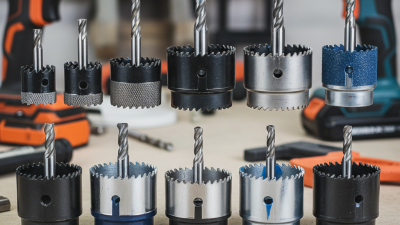
When selecting the right hole saw blades, understanding the various types and materials is crucial. There are bi-metal, carbide-tipped, and diamond hole saws, each designed for specific materials. Bi-metal saws are excellent for general wood and metal cutting. Carbide-tipped blades work well for harder materials like tile and plaster. Diamond hole saws excel in cutting through ceramics or glass.
Choosing the right material ensures efficiency and durability. A poor choice can lead to frustration and bad results. Consider your project's requirements before making a decision. Assess the thickness of the material and the desired hole size.
**Tips:** Use a slower speed for tough materials. Ensure a steady hand to maintain accuracy. Keep the blade and drill bit cool to extend their life. Regular maintenance of your tools can prevent mishaps. Inspect blades for wear and replace them promptly to avoid compromising your project.
Key Factors to Consider When Choosing Hole Saw Blades
When selecting hole saw blades, several key factors come into play. The material of the blade is crucial. Bi-metal blades offer durability and versatility. They work well on wood, metal, and plastic. Carbide-tipped options excel in harder materials. Choose based on your specific project needs.
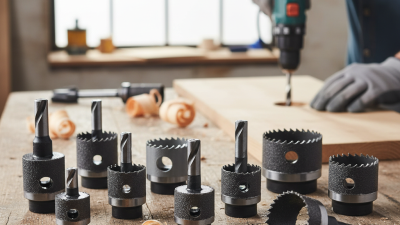
Another essential factor is the teeth per inch (TPI). Blades with fewer teeth cut faster but leave rough edges. Higher TPI blades provide cleaner cuts, ideal for precision work. Consider the finish you desire for your project. A clean finish might require a higher TPI, while speed may take precedence in other tasks.
Always pay attention to the diameter of the hole saw. Larger diameters are necessary for bigger holes but can be harder to control. Smaller diameters offer more precision but can snag easily in dense materials. Balance your choice based on the material and project requirements. The right selection can enhance efficiency, while the wrong one might lead to frustration and wasted materials.
Matching Hole Saw Blades to Different Materials and Thicknesses
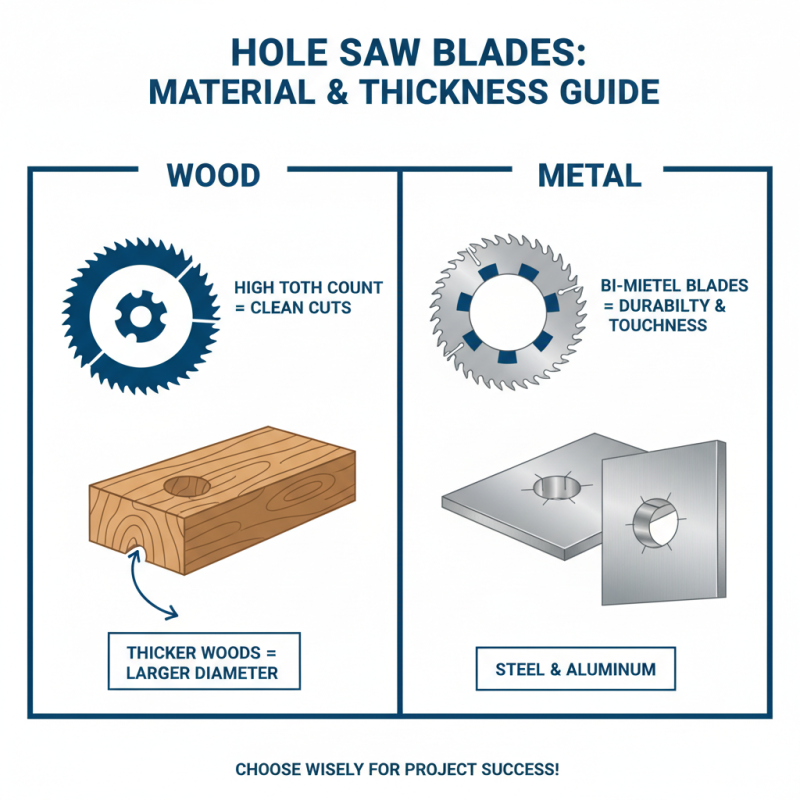
Choosing the right hole saw blades can significantly impact your project’s success. Different materials require various blade types. For wood, a high-tooth count blade works well, providing clean cuts. Thicker woods might need larger diameters for efficiency. Metal, on the other hand, necessitates bi-metal blades. These are tough and designed for durability, crucial when cutting through steel or aluminum.
Consider the thickness of the material too. Thinner materials often require shorter blades. This can prevent excess wear and provide accuracy. Using the wrong blade can lead to frustrating results. If your blade binds or overheats, it’s time to rethink your choice.
Reflect on your project requirements. Time spent choosing the right blade can save you hassle later. Each material has its nuances, and a mismatch can lead to poor outcomes. Balancing efficiency and quality is key. A little extra research can yield impressive results.
Tips for Maintaining and Extending the Life of Hole Saw Blades
Maintaining hole saw blades is crucial for achieving clean cuts and extending their lifespan. Regular cleaning is essential. After each use, remove debris from the cutting edge. This simple act can dramatically improve performance. You can use a wire brush or compressed air for this task. A little diligence goes a long way in ensuring efficiency.
Proper storage is also vital. Store blades in a dry, cool place. Avoid damp or humid areas as they can rust. If you notice any signs of corrosion, address them immediately. Typping your blades upright can prevent any accidental damage. Additionally, inspect blades before each use for any visible signs of wear. This precaution can save you from frustrating situations during a project.
When using your hole saw, remember to apply even and moderate pressure. Excessive force can lead to overheating, which damages the blade. Use a lubricant, such as cutting oil, for tougher materials. This reduces friction and enhances the blade's cutting capability. These small practices can significantly increase the longevity of your tools. Proper care should never be overlooked.
Safety Precautions When Using Hole Saw Blades in Projects
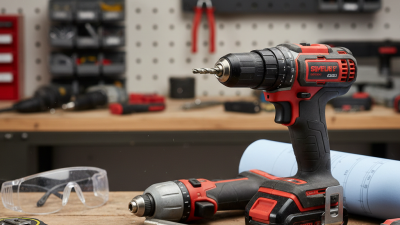
When working with hole saw blades, safety should be your top priority. Studies show that 30% of injuries in woodworking involve improper use of tools. Always wear proper personal protective equipment, including safety goggles and gloves. This reduces the risk of accidents during operation significantly.
Ensure your workspace is clear of obstructions. A cluttered environment can lead to misplaced tools and unwanted hazards. Make sure you are using the right blade for the material. Using an inappropriate blade increases the likelihood of kickback. In fact, tools used improperly can result in a 15% higher rate of accidents.
Before starting your project, adjust the drill speed according to the diameter of the hole saw. Larger diameter blades require slower speeds to maintain control. Always keep a firm grip on the drill. Many users forget to do this, which can destabilize the tool during use. Regularly check the blade for damage. A worn blade can lead to unexpected breakage. Taking these precautions can prevent injuries and ensure a successful project.