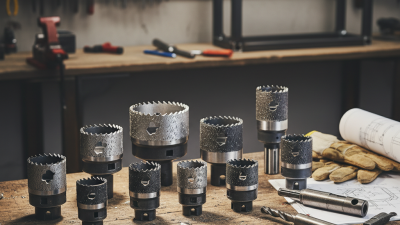
China Best Hole Corer Supplier for Global Buyers
Choosing the right China Best Hole Corer Supplier for Global Buyers requires more than comparing prices. It requires practical experience, verified specifications, and consistent communication. A professional Hole Corer supplier should understand different materials, drilling depths, cutting diameters, and equipment requirements. These details directly affect performance on construction sites, geological projects, and industrial installations.
Reliable suppliers usually provide clear product drawings, material information, packaging details, and test records. They should explain whether a Hole Corer uses diamond segments, carbide teeth, or another cutting design. Buyers should also review thread compatibility, core recovery, service life, and replacement options. Small details matter. A loose connection or unsuitable segment can delay an entire project.
However, no supplier gets every requirement right on the first attempt. Even experienced manufacturers may need to adjust bonding formulas, dimensions, or packaging methods. That is why sample testing and technical confirmation remain important. A trustworthy partner welcomes questions, reports limitations honestly, and improves products through customer feedback. Factory visits, production photographs, inspection reports, and independent quality checks can strengthen buyer confidence.
For global buyers, dependable export support is equally important. Accurate invoices, protective packaging, shipping coordination, and responsive after-sales communication reduce avoidable risks. A strong China Hole Corer supplier should offer practical solutions rather than exaggerated promises. The best choice is not always the cheapest quotation. It is the supplier that combines manufacturing knowledge, stable quality, transparent communication, and long-term responsibility.
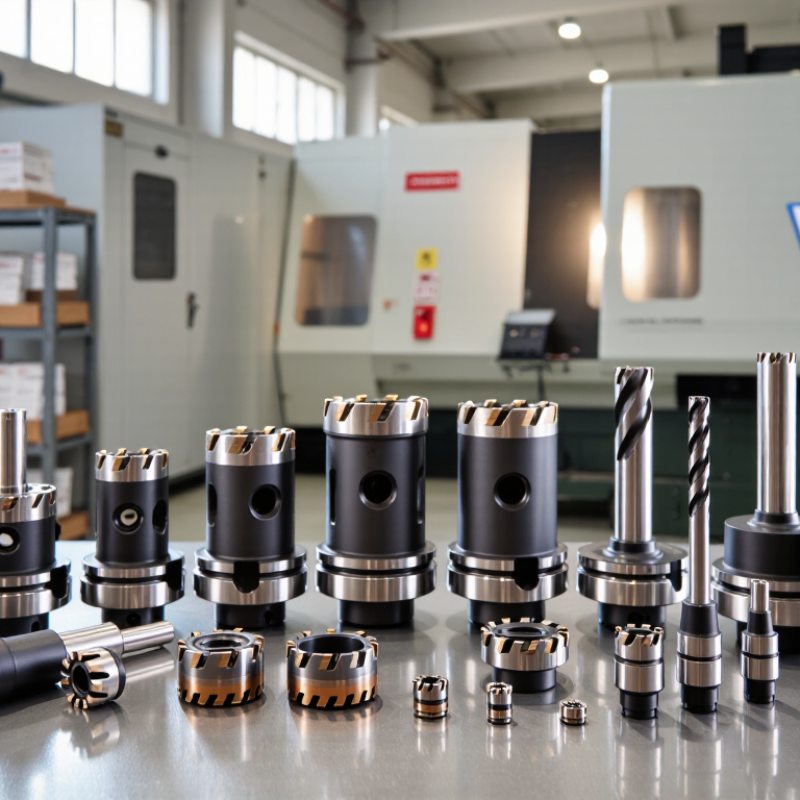
What Defines a Reliable Hole Corer Supplier in China
A reliable hole corer supplier in China should understand what happens after a tool leaves the workshop. Soil moisture, gravel, and repeated impacts can expose weak joints quickly. Ask how the corer tube, cutting edge, and handle are made, and whether dimensions are checked against a written drawing. A clean weld is useful, but consistent wall thickness and a maintainable cutting edge matter in daily use. Small details show up in the field. For example, a cap that seals properly helps protect a soil sample during transport.
Trust also depends on evidence, not polished claims. Request material specifications, inspection records, and clear sample-testing methods; ask what each test did not cover. A practical supplier can discuss suitable diameters, tube lengths, and connection types for your soil and sampling depth, without promising one design fits every site. Communication matters too: confirm production time, packing protection, spare-part availability, and how defects are handled. No process is perfect. Suppliers may overlook a detail, and buyers can send incomplete requirements; a marked drawing and pre-production sample can reduce that risk. Look for direct, specific answers, not only a low quote.
Types of Hole Corers and Their Industrial Applications
Hole corers differ by sample depth, ground conditions, and how intact the sample must remain. Hand-operated soil corers suit shallow agricultural checks, while hollow-stem auger systems can collect deeper geotechnical samples. For cohesive soils, thin-walled tube samplers help preserve structure; ASTM D1587/D1587M covers this sampling method. Split-spoon samplers are commonly used in penetration testing, while rotary core barrels recover rock for foundation and mineral assessments. Concrete core drills provide in-place specimens for strength testing under ASTM C42/C42M. Not interchangeable.
The choice affects the quality of the evidence. FAO’s 2015 Status of the World’s Soil Resources report estimates that 33% of soils are moderately to highly degraded. FAO’s 2020 State of Knowledge of Soil Biodiversity report notes that soils host about 25% of global biodiversity. These figures underline why sampling depth, location, and handling matter in soil investigations. A poorly sealed liner or a sample disturbed during extraction can weaken later analysis.
For procurement, buyers should match the corer to the material, target depth, and required sample condition. Check barrel diameter, liner availability, cutting-edge material, and compatibility with the drilling rig. In wet clay, for example, a suitable tube and careful withdrawal can reduce sample loss; in fractured rock, core recovery may remain uneven. Specifications help, but field conditions still surprise people. A supplier’s guidance is useful when it includes operating limits, maintenance needs, and clear sampling instructions—not just a catalogue.
How Chinese Suppliers Design and Manufacture Hole Corers
Chinese suppliers design hole corers around the ground they must cut, the power source, and the user’s handling needs. Engineers typically specify tube diameter, working depth, cutting-edge shape, and connection dimensions before production. For tougher soil, a reinforced cutting head can reduce deformation. For softer ground, a narrower profile may help limit resistance. Small details matter: a poorly aligned coupling can cause vibration, while a blunt edge can leave a rough, compressed sample.
Manufacturing often includes tube cutting, forming or machining the head, welding, surface treatment, and final assembly. Workers check dimensions and inspect welds; practical tests can reveal issues that drawings miss. A sample run is useful before a large order. No design fits every soil type. That gap is easy to underestimate.
Tips: Confirm soil conditions, target depth, and drive method before requesting a quotation. Ask for material specifications, dimensional tolerances, and test records. Check that the sample’s cutting edge and connection match your equipment.
Global buyers should also clarify packaging, spare-part availability, and inspection criteria in writing. A supplier may offer customization, but each change can affect strength, weight, or delivery time. Compare samples under similar conditions rather than relying on finish alone. The surface can look excellent while the tube still bends too easily. Clear drawings and documented checks make production expectations easier to verify.
Quality Standards, Customization, and Product Testing
For global buyers, selecting a hole corer supplier means checking more than price and delivery time. Quality starts with consistent dimensions, sound joints, and a clean, durable finish. A supplier should explain material choices and inspection steps in plain language. Small details matter. A slightly loose handle or uneven cutting edge can make fieldwork harder.
Customization should match the soil, sampling depth, and equipment already in use. A corer for compact ground may need a different cutting edge from one used in soft, wet soil. Fit comes first. Buyers can share drawings, target dimensions, and expected working conditions before production. Not every requested feature improves performance, so practical feedback is valuable.
Product testing should check straightness, connection strength, cutting performance, and sample recovery. Buyers can request inspection records and, where possible, a sample unit for evaluation. A short field trial may reveal problems that measurements miss. Even a careful test has limits. Soil varies from site to site, and laboratory checks cannot reproduce every condition. Honest suppliers explain those limits and discuss adjustments when results fall short.
How Global Buyers Can Evaluate and Select a Supplier
China Best Hole Corer Supplier for Global Buyers
How Global Buyers Can Evaluate and Select a Supplier
Choosing a hole corer supplier requires more than comparing prices. Global buyers should check cutting materials, core dimensions, shank compatibility, and expected service life. Ask for evidence. Product drawings, inspection reports, and test samples can reveal details that catalogs often miss. Samples matter.
A reliable supplier should explain its manufacturing process clearly. Check how diamond segments are bonded, how tools are inspected, and how batch consistency is controlled. Request photos of production areas or arrange a remote factory audit. Confirm packaging, labeling, export documents, and delivery terms before placing an order. Small gaps here can create costly delays.
Technical support also deserves attention. A capable supplier can recommend suitable specifications for concrete, masonry, or other approved materials. It should discuss drilling speed, cooling methods, and safe operating limits without making unrealistic promises. Communication records are useful. Keep them.
Buyers should review quality certificates carefully and verify whether they match the actual product. Independent testing may be worthwhile for large orders. After-sales handling is another practical test: ask how defects, replacements, and performance complaints are investigated. Some suppliers respond quickly before payment, then become vague later. That risk deserves honest consideration. A lower price may look attractive, but inconsistent tolerances can waste labor and damage equipment. Evaluate the complete purchasing experience, not only the quotation.
How Global Buyers Can Evaluate and Select a Hole Corer Supplier
Illustrative buyer-defined evaluation weights—not market statistics. Adjust the weighting to suit your application and verify each criterion with supplier documentation.
Compare product specifications with your operating requirements, review quality records and applicable compliance evidence, and confirm delivery, service, spare-parts support, and total cost before making a decision.