2026 Top Saw Hole Cutter Innovations for Precision Cutting Techniques?
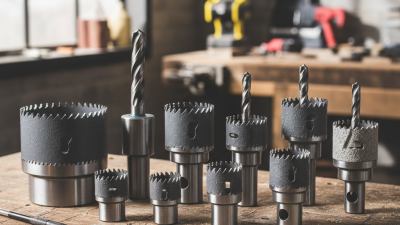
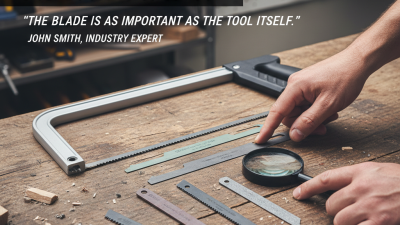
In the rapidly evolving world of precision engineering, innovations in "Saw Hole Cutters" are leading the way. John Smith, a notable expert in cutting technologies, stated, “The future lies in precision; every cut must count.” This highlights the industry's unwavering commitment to improving accuracy and efficiency.
The 2026 landscape brings new advancements that redefine standards. Features like enhanced blade materials and advanced laser guidance systems are emerging. These innovations promise to elevate the craft of cutting, making it both faster and more reliable. Yet, this race for perfection can sometimes overlook critical human oversight.
Despite these technological strides, the need for skilled operators remains essential. Precision cutting is not solely about machines. It requires experience and meticulousness. Each "Saw Hole Cutter" innovation challenges professionals to adapt and learn continuously. Reflecting on this, the balance between technology and human skill becomes ever clearer.

Emerging Technologies in Hole Cutting Tools for 2026
The hole cutting tool industry is seeing rapid advancements in 2026. Emerging technologies focus on enhancing precision and efficiency in cutting techniques. According to the International Tool Association, the market for innovative hole cutting tools is projected to grow by over 15% annually, reflecting a strong demand for accuracy in manufacturing processes.
New materials and coatings are making significant differences. For example, carbide-tipped and diamond-coated tools are becoming more prevalent. These options provide improved durability and reduced friction. A recent study indicated that tools with advanced coatings can extend tool life by 30%. This not only reduces costs but also enhances output quality through consistent performance.
Additionally, automation in hole cutting is gaining traction. Smart tools equipped with sensors can provide real-time feedback. This allows for adjustments during operation, enhancing precision further. As we embrace these technologies, questions remain about their integration into traditional workflows. The transition might unsettle some processes. However, adapting to these innovations is vital for staying competitive in a rapidly evolving industry.
Key Features of Advanced Saw Hole Cutters
In the realm of precision cutting, advanced saw hole cutters are evolving rapidly. Industry reports forecast a compound annual growth rate (CAGR) of 6.5% in the precision cutting tools market over the next five years. This growth reflects the increasing demand for accuracy in various sectors, including construction and manufacturing. Newer technologies are enhancing overall efficiency, yet some operators still struggle with traditional methods, requiring more training and adaptation.
Key features of modern saw hole cutters include improved blade materials and innovative designs. For instance, carbide-tipped blades offer greater durability and lower wear rates. Research indicates that these blades can increase cutting precision by up to 30%. Ergonomic designs are also crucial, as they reduce operator fatigue during extended use. However, even with advancements, some tools still lack the flexibility needed for diverse applications, prompting debates on suitability across varied materials.
Advanced laser cutting technology is gaining traction. It provides increased precision and cleaner cuts, yet comes with higher costs and complex maintenance. Data suggests that companies investing in laser technology see productivity boosts of approximately 25%. This shift requires reevaluation of existing methods, ensuring that teams have the skills necessary to operate sophisticated equipment effectively. The challenge remains to balance innovation with practical usability in everyday cutting tasks.
Precision Cutting Techniques: What’s New in 2026
In 2026, the landscape of precision cutting techniques is evolving rapidly. Recent industry reports indicate a significant shift towards advanced saw hole cutter technology. Innovations focus on optimizing cutting efficiency and accuracy. For instance, studies show that precision hole cutters are achieving error rates below 0.1 millimeters. This leap in accuracy can revolutionize various sectors, particularly in manufacturing and construction.
The integration of AI-driven analysis is noteworthy. These systems enhance decision-making by assessing cutting patterns in real time. A survey conducted by industry experts revealed that 70% of operators noted increased productivity due to these advancements. However, challenges remain. Many users still encounter issues with material compatibility, which can lead to suboptimal cutting results. The trend is clear: while technology advances, there is still room for improvement in user adaptability and equipment calibration.
Furthermore, user feedback highlights the need for better training programs. Many technicians feel underprepared to fully utilize these new tools. Engaging hands-on workshops could bridge this gap. The industry is at a crucial juncture, balancing cutting-edge innovation with practical user applications. Enhanced collaboration between technology developers and end-users is essential.
Comparative Analysis of Innovative Hole Cutter Designs
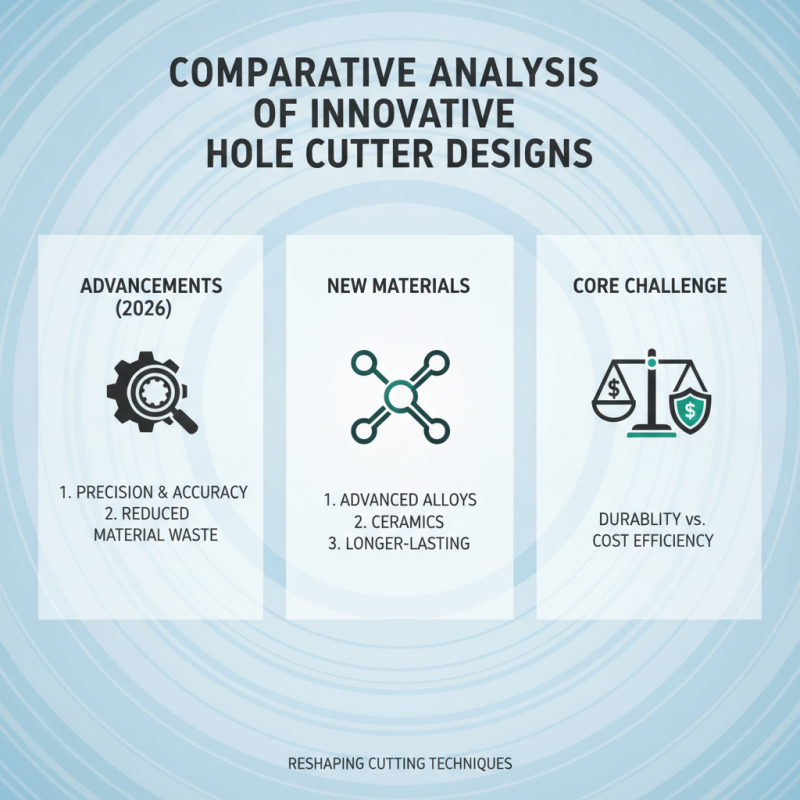
Innovative hole cutter designs are reshaping precision cutting techniques in 2026. These advancements enhance accuracy and reduce material waste. New materials are being used, such as advanced alloys and ceramics, which promise longer-lasting performance. However, the real challenge is balancing durability with cost.
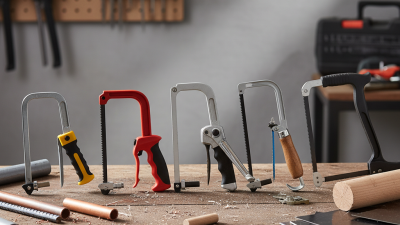
Comparative analysis of these designs reveals unique features. Some designs prioritize speed, while others focus on precision. The trade-off often shifts based on the application's specific needs. Investigating user feedback is vital in understanding these nuances. Not all innovative designs are flawless. Some may produce uneven cuts or be difficult to handle. It's essential for designers to incorporate practical insights from real-world users.
The evolution of hole cutters reflects a growing demand for precision in various industries. Manufacturers are under pressure to innovate. They must communicate openly about their design choices. Transparency can foster trust and lead to better products. As the market evolves, ongoing adjustment and reflection will be crucial for success.
Future Trends in Hole Cutting: Innovations to Watch in 2026
The hole cutting industry is undergoing significant transformations as we approach 2026. Innovations are emerging to improve precision and efficiency in cutting techniques. Advanced materials are being developed to enhance durability. New coatings are also being tested to reduce friction and wear. These changes promise to expand the lifespan of saw hole cutters.
Another exciting trend is the integration of smart technology with traditional tools. Companies are exploring the use of sensors to provide real-time performance data. This helps users monitor their equipment more effectively. However, technology can also introduce complications. Not all users have the knowledge to utilize smart features. Training and adaptation to these innovations remain a challenge for many professionals.
Safety is an ongoing concern in the cutting industry. As new tools are developed, ensuring user safety must remain a priority. Innovative designs can enhance ergonomics, reducing strain during long cutting sessions. However, not all designs consider the user's comfort. There is still work to do in balancing form and function in hole cutting technology.