What is a Hacksaw Blade and How to Choose the Right One?
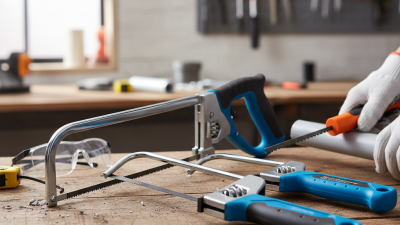
Hacksaw blades are essential tools in metalworking and construction. They are designed to cut various materials, including metal, plastic, and wood. However, choosing the right hacksaw blade is crucial for efficiency and precision. An inappropriate blade can lead to poor cuts and wasted materials.
Understanding the types and specifications of hacksaw blades is a skill worth developing. For instance, blades vary in tooth count and material, impacting their effectiveness for specific tasks. Selecting a blade that matches the material you intend to cut can enhance performance and prolong the blade's lifespan. Think about the project’s demands and your cutting techniques when choosing.
Many users struggle with selecting blades. Sometimes, this stems from a lack of knowledge about blade features. Misguided choices can result in frustration and subpar results. Learning about hacksaw blades is an investment in your craft. The right blade can make a significant difference, ensuring clean cuts and saving time.
What is a Hacksaw Blade?
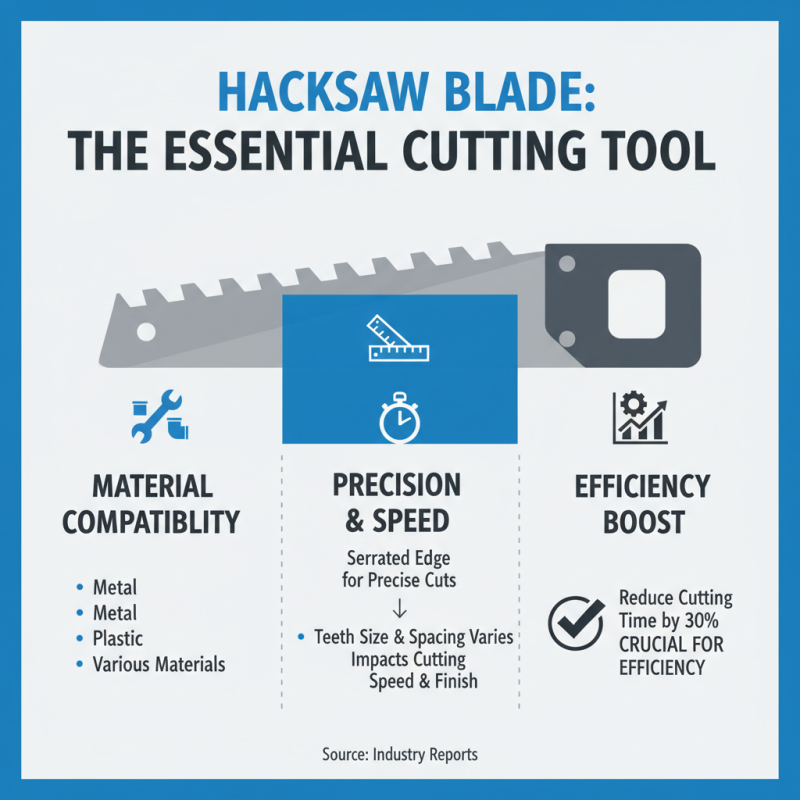
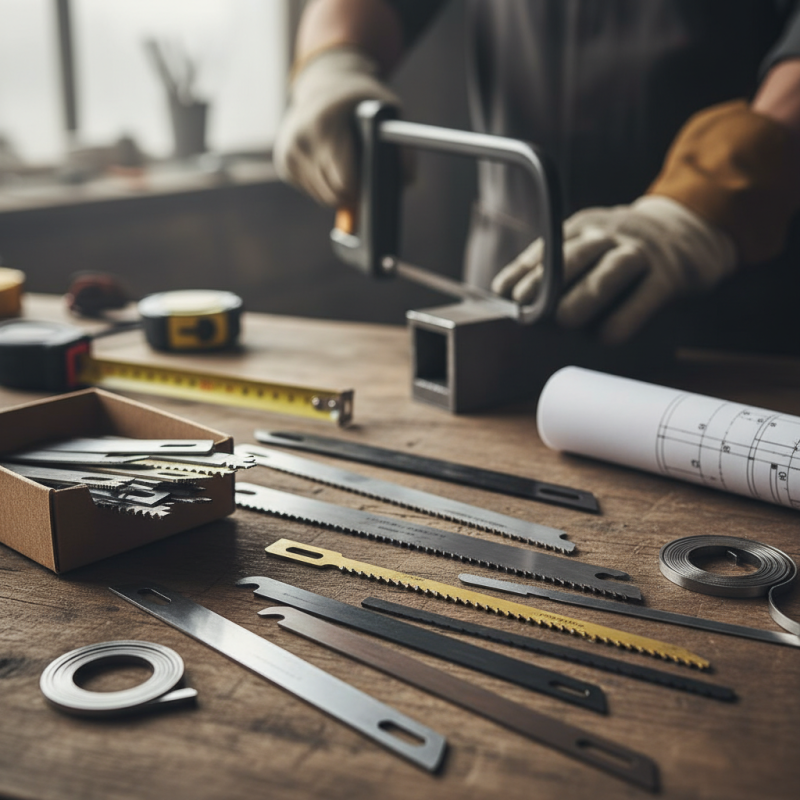
A hacksaw blade is a tool designed for cutting metal, plastic, and other materials. Typically featuring a serrated edge, it allows craftsmen to make precise cuts with ease. The blade's teeth can vary in size and spacing, impacting the cutting speed and finish quality. According to industry reports, selecting the right hacksaw blade can reduce cutting time by up to 30%, making it crucial for efficiency.
Blade selection depends on specific needs. For example, the number of teeth per inch (TPI) is a key factor. A higher TPI is ideal for fine cuts, while a lower TPI works best for thicker materials. The material of the blade itself also plays a significant role. Bi-metal blades, known for their durability, combine two different alloys for optimal performance. A report from the Cutting Tools Institute states that 75% of professionals prefer bi-metal blades for their longevity and versatility.
Understanding blades can be complex. There’s a gap between what users think they need and what actually works best. The right choice should also consider the material being cut. Improper selection may lead to wasted effort and damaged materials. Research shows that over 40% of users chose the wrong type of blade for their task, potentially incurring greater costs.
Types of Hacksaw Blades and Their Applications
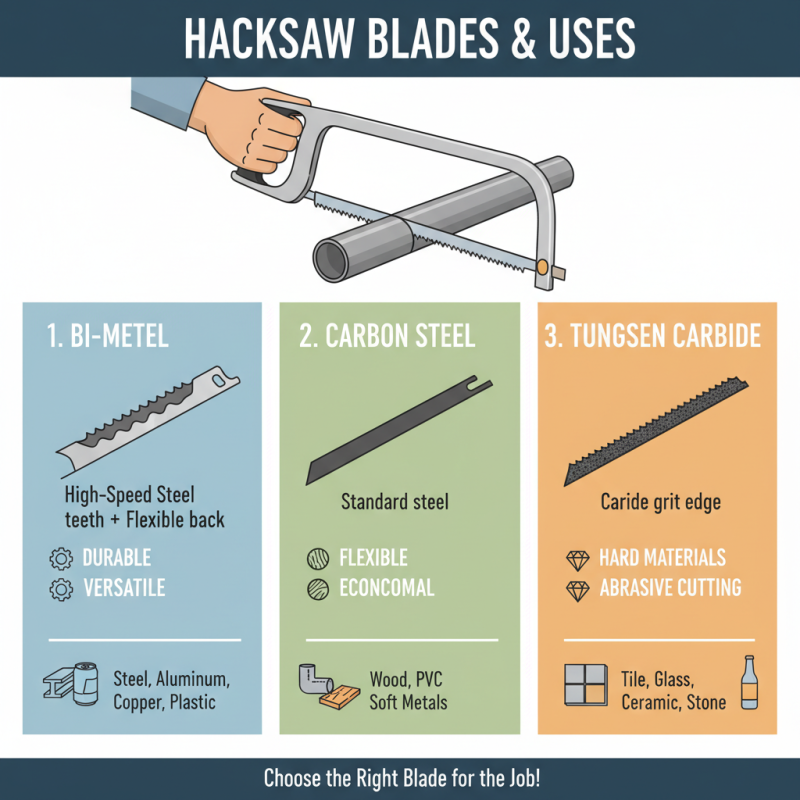
Hacksaw blades come in various types, each designed for specific applications. Understanding these differences is essential for efficient cutting. Bi-metal blades are popular for their durability. They combine high-speed steel with a flexible backing. This design allows them to cut through metals like steel and aluminum effectively.
Carbon steel blades are another option. They are more brittle but work well for softer materials. These blades shine when cutting plastic or wood. Additionally, there are specialty blades tailored for unique tasks. For instance, blades designed for fine cuts work best in intricate work.
Choosing the right blade isn't always straightforward. Factors like tooth count and material matter a lot. A higher tooth count gives smoother finishes. However, it may slow down the cutting speed. Frustration can arise from selecting the wrong blade, leading to less-than-ideal results. Reflecting on previous mistakes can help improve future choices. Understanding the requirements of a specific job is crucial.
Factors to Consider When Choosing a Hacksaw Blade
When choosing a hacksaw blade, several key factors come into play.
Blade material is crucial.
Carbon steel blades offer flexibility and are ideal for softer materials.
Bi-metal blades combine durability with versatility, making them suitable for tougher cuts.
The choice of material directly affects the blade's lifespan and performance.
To ensure precision, consider the tooth count. More teeth per inch (TPI) provide finer cuts but may slow down the process.
Fewer TPI speed up cutting but can lead to rougher edges.
Assess the material you're cutting to determine the appropriate TPI. It's important to balance speed and finish quality according to your project needs.
The blade width also matters.
Narrow blades can easily cut curves, while wider blades excel in straight cuts.
Think about the specifics of your project. Sometimes, you may need multiple blades for different tasks.
A clear understanding of these factors leads to better decisions, preventing frustration during your work process.
How to Properly Install a Hacksaw Blade
Installing a hacksaw blade properly is crucial for effective cutting. Begin by ensuring the hacksaw is in good condition. Check the frame for any bends or rust. If everything looks good, move on to the blade. Align the teeth of the blade towards the handle of the hacksaw. This positioning ensures a proper cutting direction.
Next, loosen the tension on the blade holder. Carefully insert one end of the blade into the slot and secure it. Then, pull the blade tight and insert the other end into its slot. Adjust the tension so the blade remains taut, but be careful not to overtighten. A blade that is too tight can break easily, while one that is too loose won't cut effectively.
After installation, test the saw by cutting through scrap material. This will help you confirm the blade's positioning. If you notice any wobbling or ineffective cutting, it might require readjustment. With practice, you'll find the installation process becomes more intuitive. Remember, taking time to install correctly can prevent future frustrations.
Hacksaw Blade Types and Their Applications
This chart illustrates the percentage usage of various hacksaw blade types in practical applications. Bi-metal blades are the most commonly used due to their durability and versatility, followed by high carbon and high-speed steel options.
Maintenance Tips for Prolonging Hacksaw Blade Life
Hacksaw blades are essential tools in various industries. They need proper care for longevity. Regular maintenance can significantly extend their life and improve cutting efficiency.
One effective tip is to regularly inspect blades for wear and damage. A blade that shows signs of bending or dullness should be replaced immediately. According to industry reports, blades can lose up to 30% of their cutting efficiency when dull. Using a blade beyond this point can lead to poor performance and material wastage. Additionally, clean blades after each use. This prevents buildup that can cause rust and corrosion, which can drastically decrease lifespan.
Storing blades properly is also crucial. Keep them in a dry, temperature-controlled environment. Accumulated moisture can lead to deterioration. Another tip is to use compatible materials while cutting. Using blades on materials they aren’t designed for could damage both the blade and the material being cut. Interestingly, some professionals report that changing blades often, rather than working with dull ones, saves time. Regular replacements can lead to smoother cuts and better results. Implementing these strategies could mean the difference between frequent replacements and optimal blade performance.
What is a Hacksaw Blade and How to Choose the Right One? - Maintenance Tips for Prolonging Hacksaw Blade Life
| Blade Type |
Material |
Teeth Per Inch (TPI) |
Suitable Cutting Material |
Estimated Lifespan |
| Bi-metal |
High-speed steel with a flexible back |
18-24 |
Metal, Plastic |
20-30 hours |
| Carbon Steel |
High carbon steel |
14-32 |
Wood, Soft Metals |
15-25 hours |
| Alloy Steel |
Steel alloy with higher durability |
10-18 |
Thicker metals |
30-50 hours |
| Fine Tooth |
High-speed steel |
24-32 |
Plastic, Thin Metals |
10-15 hours |