2026 Best Hack Saw Reviews and Buying Guide for Every DIY Enthusiast?
When it comes to DIY projects, choosing the right tools is crucial. Among these, the Hack Saw stands out as an essential instrument. Renowned expert in the field, John L. Smith, once said, "A good Hack Saw can make all the difference in precision cuts." This highlights the importance of selecting a high-quality saw for your projects.
In 2026, the market is saturated with various Hack Saw models, each boasting distinct features and capabilities. As an enthusiast, understanding these details is vital to ensure you make informed choices. Many DIYers underestimate the value of a reliable Hack Saw, leading to frustration during their projects.
It’s important to remember that not all saws are created equal. Some may perform well on metals but struggle with plastics or wood. A well-chosen Hack Saw can enhance your tool collection, enabling smoother and more accurate work. This guide will help you navigate the options, focusing on what you truly need. It's time to rethink your approach to cutting tools. Find the perfect Hack Saw that balances quality, durability, and price for your projects.
2026 Hack Saw Overview: Importance and Applications in DIY Projects
In the realm of DIY projects, the hacksaw stands as a critical tool. Its significance lies in its versatility, making it ideal for cutting various materials like metal and plastic. Many enthusiasts underestimate the complexity involved in selecting the right hacksaw. The choice affects the precision of your cuts. A poor selection can lead to frustration and wasted materials.
Safety should always be a priority. When using a hacksaw, ensure that you have proper grip and stance. Even experienced users can falter. Blades can become dull and unsafe over time. It’s crucial to check the blade periodically. Replacement can seem tedious, but it does enhance performance.
Understanding the application of a hacksaw can greatly improve your projects. Not every job requires a hacksaw, despite its widespread use. Sometimes, a different tool may be better suited. Knowing when to choose a hacksaw or another tool displays true expertise. Testing your limits and reflecting on your choices can lead to better outcomes in your DIY endeavors. How well you adapt can determine your success.
Key Features to Consider When Choosing a Hack Saw for DIY Tasks
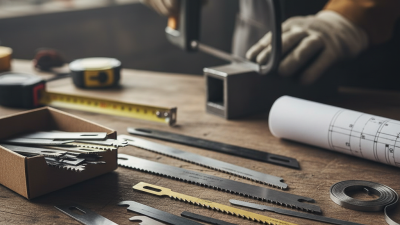
When selecting a hack saw for DIY projects, consider key features. Blade types are crucial. A bi-metal blade offers flexibility and durability. Alternatively, carbon steel blades are economical but may dull quickly. Choose a blade that matches your material, whether it's wood or metal.
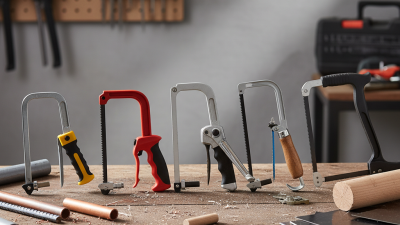
Another important aspect is the frame design. A lightweight frame enhances maneuverability. However, some may find it less sturdy. A comfortable grip allows for better control, particularly during prolonged use. Ensure the handle suits your hand size to avoid discomfort.
Tension adjustments can also affect performance. An easy-to-adjust tension system facilitates quick blade changes. This feature is vital for varied projects. Often, hacksaws lack clear markings for tension settings, leading to frustration. Look for models that provide user-friendly indicators. Performance can vary widely based on these elements. Making an informed choice will enhance your DIY experience.
2026 Best Hack Saw Reviews and Buying Guide for Every DIY Enthusiast
| Feature |
Description |
Rating (out of 5) |
| Blade Type |
High-carbon steel for durability |
4.5 |
| Frame Material |
Aluminum for lightweight and strength |
4.7 |
| Adjustable Tension |
Allows for precise blade tension adjustment |
4.8 |
| Ergonomic Handle |
Designed for comfort and grip |
4.6 |
| Blade Length |
Available options: 12", 24", 36" |
N/A |
| Weight |
Lightweight design for ease of use |
4.4 |
| Price |
Affordable options available |
N/A |
Top 5 Hack Saws Reviewed: Performance, Durability, and User Feedback
When selecting a hack saw, performance and durability are paramount. The best models excel in cutting various materials, from metal to plastic. A sharp blade is crucial for smooth cuts. Look for teeth design and spacing that suit your projects.
User feedback showcases the importance of comfort. Ergonomic handles can reduce strain during extended use. Some users struggle with heavy saws. Lighter options are often favored for precision tasks. Durability also hinges on build quality. Consider options with sturdy frames to withstand frequent use.
Many DIY enthusiasts reported mixed experiences with blade replacement. Quick-change mechanisms simplify this task, but not all saws are created equal. It's essential to find a balance between cost and quality. Cheap options may fail to deliver, while premium models often justify their price tags with longevity. Every choice has its trade-offs.
2026 Best Hack Saw Performance Comparison
Buying Guide: How to Select the Right Hack Saw for Your Needs
When selecting a hack saw, consider the blade type and size. Blades typically range from 12 to 24 inches. Each size suits different materials. For wood, a coarse-toothed blade is best. A fine-toothed blade performs well on metal. The correct choice can increase efficiency.
Pay attention to the handle design. A comfortable grip reduces hand fatigue during use. Studies show ergonomic handles improve control and safety. It’s essential to ensure that your saw feels good in your hand, especially during lengthy projects. Choose one that’s light but sturdy.
Tips: Don’t shy away from trying various grip styles. Each person's hand can respond differently. Test the saw before purchasing. Consider the project demands, as not every saw handles every task effectively. Sometimes, a lower-cost option might surprise you. Experimenting can lead to valuable insights.
Maintenance Tips to Extend the Life of Your Hack Saw
Maintaining a hack saw is essential for any DIY enthusiast. Regular maintenance not only ensures precise cuts but also extends the lifespan of the tool. According to industry reports, proper care can increase the longevity of a hack saw by up to 50%. This means more projects and less frequent replacements.
Start with blade inspections. Check for any signs of wear, such as teeth deformation or rust. A damaged blade can compromise cutting quality and requires immediate replacement. Cleaning the saw after each use is crucial. Accumulated debris can lead to corrosion, shortening the tool's life. Use a damp cloth to wipe down the frame and ensure it's free from dust and grime.
Lubrication is another often overlooked aspect. Applying a light coat of oil to pivot points helps to prevent rust and keeps the frame operating smoothly. Remember to store your hack saw in a dry place. Exposure to moisture can lead to rust, even on high-quality materials. By following these maintenance tips, you can ensure that your hack saw remains reliable for years to come.