How to Choose the Best Stainless Steel Drill Bits for Your Needs?
Choosing the right tools is crucial for any project. When it comes to drilling through tough materials, Stainless Steel Drill Bits are often preferred. They offer durability and efficiency. Selecting the best bits for your needs can seem overwhelming due to the variety available.
Understanding the differences between types of Stainless Steel Drill Bits is essential. Some are designed for specific tasks, while others try to be versatile. Knowing the material thickness, drilling speed, and bit size is important. Quality bits can improve your work's precision and longevity.
Don’t overlook the importance of brand reputation. Some manufacturers have proven expertise in producing reliable bits. Reading reviews and seeking recommendations can guide your decision. It's okay to question whether a particular bit is worth the investment. Reflecting on your own experiences can lead you to better choices in the future.
Understanding Stainless Steel Drill Bits and Their Applications
When selecting stainless steel drill bits, understanding their applications is essential. These bits excel in drilling hard materials like stainless steel, alloy, and even some plastics. They are not just for metal; they can drill into wood when used properly. Choosing the right type can affect your project’s outcome significantly.
Stainless steel bits come in different designs. Some are designed for precision, offering controlled drilling. Others prioritize speed, allowing for faster work. The coating on these bits can also influence their lifespan and effectiveness. While many users expect them to last forever, wear and tear are common. Over time, drill bits lose sharpness and may chip. Regularly inspecting your bits helps maintain their performance.
Using the right drill speed is crucial. A speed that's too high can damage the bit quickly. Conversely, a slow speed may lead to overheating. It's a balancing act that often requires experience. Remember to keep your bits lubricated to reduce friction. It can improve drill life and performance, but many overlook this step. Engaging in reflective practice about your drilling habits can enhance your results.
Key Factors to Consider When Selecting Drill Bits
When choosing stainless steel drill bits, several key factors require careful consideration. The hardness of the metal is paramount. Stainless steel's composition affects its machinability. For instance, high-chromium stainless steel presents challenges during drilling. A recent report noted that drill bits designed for harder materials last 30% longer.
Tip: Always assess the material you’re working with first. Test the metal's hardness using simple methods. A file test could be quite revealing.
Another vital aspect is the type of drill bit tip. Split-point tips prevent wandering and offer better precision. Research supports that these tips can improve accuracy by up to 15%. The coating on drill bits is also crucial. Titanium nitride-coated bits reduce friction and increase longevity.
Tip: Experiment with different coatings on your bits. Track their performance and wear over time to find the best fit for your tasks.
Don't overlook drill bit sizes and shank types. Compatibility with your drill and the target material influences the efficiency of your work. A mismatch can lead to poor performance and even damage your tools. Often, it’s the small details that make a significant difference.
Comparison of Different Types of Stainless Steel Drill Bits
Types of Stainless Steel Drill Bits Available in the Market
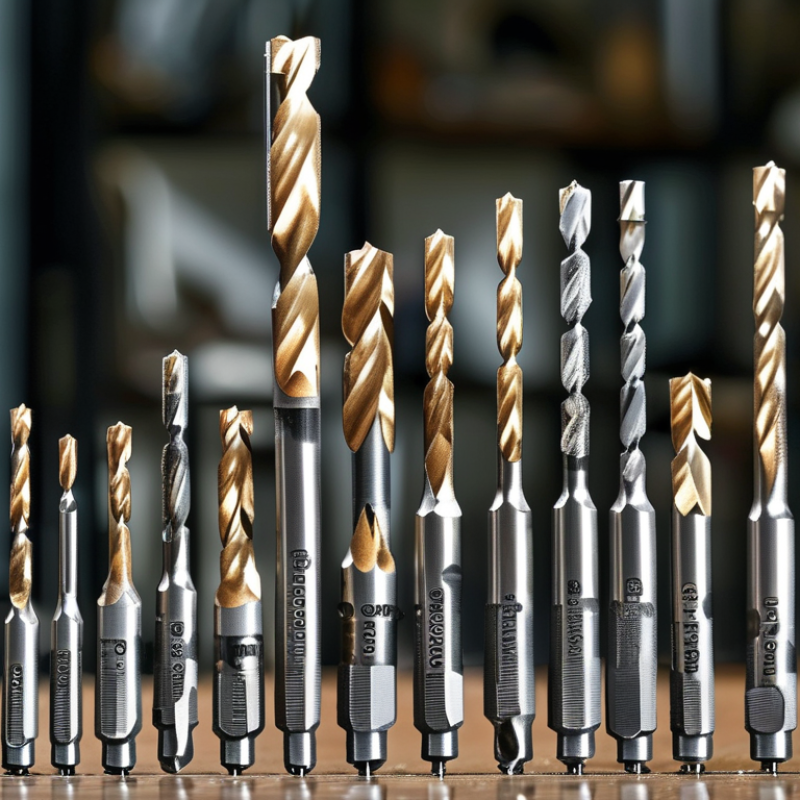
When choosing stainless steel drill bits, understanding the types available is essential. Various drill bit types serve specific purposes. Twist drill bits are the most common type. They excel in versatility and can handle soft to hard materials. Their spiral design allows for efficient chip removal. For stainless steel, consider bits with a cobalt blend. This enhances durability and heat resistance.
Another common type is the step drill bit. This design features multiple diameters on a single bit. It is particularly useful for drilling holes of various sizes without the need for changing bits. Research shows step drill bits can cut through stainless steel with ease. These bits often lead to cleaner holes and less need for deburring.
Carbide-tipped drill bits are also noteworthy. They are extremely hard and can penetrate stainless steel without dulling quickly. However, they can be more brittle. Overheating may cause chipping, requiring careful operation. Industry studies suggest that while they offer longevity, improper use can lead to disappointment. Thus, understanding each type is crucial for optimum performance.
Comparing Durability and Performance of Different Brands
When selecting stainless steel drill bits, comparing durability and performance among various brands is critical. Different manufacturers use distinct materials and coatings, which can significantly affect longevity. For example, some bits may feature a titanium nitride coating to reduce friction and heat, while others might focus solely on stainless steel alloys. Evaluating these differences helps to find the right drill bits for your specific project needs.
Consider the type of projects you plan to undertake. If you frequently drill into hard materials, you may need bits designed for higher durability. Regular use can wear on the bits, leading to potential performance issues. However, you may find that cheaper options can perform surprisingly well for casual tasks. Testing a few different options can lead to unexpected favorites.
Pay attention to the bit design as well. Some bits have a sharper tip, aiding in precision and reducing the likelihood of wandering. Others might be designed for faster drilling but sacrifice some accuracy. Understanding these nuances can aid in making an informed decision. Look for reviews and experience shared by others, as firsthand insights can highlight unknown flaws or exceptional feature sets.
How to Choose the Best Stainless Steel Drill Bits for Your Needs? - Comparing Durability and Performance of Different Brands
| Bit Size (inches) |
Material Quality |
Durability Rating (1-10) |
Performance Rating (1-10) |
Recommended Use |
| 1/8 |
High-Speed Steel |
8 |
9 |
Precision Drilling |
| 1/4 |
Cobalt Steel |
9 |
8 |
Metal and Wood |
| 3/8 |
Titanium Coated |
7 |
8 |
General Purpose |
| 1/2 |
Carbide Tipped |
10 |
9 |
Heavy Duty Metal |
| 3/4 |
HSS with Ground Flutes |
9 |
10 |
Construction and Metal |
Tips for Maintaining and Extending the Life of Drill Bits
Maintaining stainless steel drill bits requires regular attention. One of the most effective ways to extend their lifespan is through proper cleaning after use. Metal shavings and residue can accumulate, leading to rust and corrosion if not removed. A simple wire brush or compressed air can work wonders for keeping your tools clean. Neglecting this can hinder performance and lead to premature wear.
Another vital aspect is correct storage. Keep drill bits in a dry place and use protective cases or organizers. Storing them loosely in a drawer invites collision and dulling of edges. Additionally, it’s essential to avoid dropping them, as even minor impacts can create chips. Sharpening bits regularly is also crucial. Dull bits can strain your drill and cause accidents. Frequent checks allow you to catch wear early.
Lastly, using the right speed and pressure while drilling is key. Pushing too hard can damage both the bit and the material. It’s a lesson learned through experience: find the balance between speed and control. Each drill bit might have a different optimal setting, so experimentation may be necessary.