Best Hacksaw Blades for Efficient Metal Cutting Solutions?
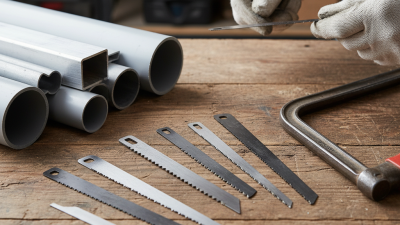
When it comes to efficient metal cutting solutions, selecting the right hacksaw blades is crucial. These blades influence performance, durability, and the overall quality of your cuts. Understanding the various types and specifications is essential for achieving better results in your projects.
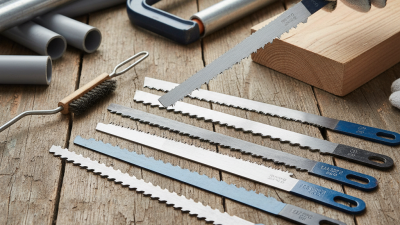
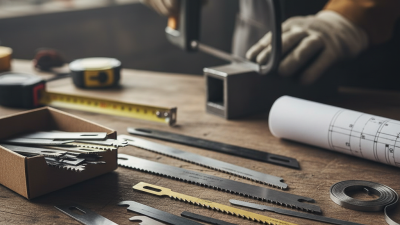
Hacksaw blades come in various sizes and tooth designs. Some are specifically designed for thin materials, while others tackle tougher metals. The choice of material also affects the blade's life and effectiveness. It's important to note that the wrong blade can lead to frustration and wasted time.
Choosing hacksaw blades requires careful consideration. Factors such as blade tension and replacement intervals often get overlooked. Taking the time to evaluate your needs can enhance your cutting experience significantly. Ultimately, the right hacksaw blades can transform a challenging task into a straightforward one.
Types of Hacksaw Blades Suitable for Different Metal Materials
When it comes to cutting metal, choosing the right hacksaw blade is crucial. Different metals require specific blade types for optimal performance. Bi-metal blades are versatile and effective for a variety of metals, including aluminum and stainless steel. They combine durability with flexibility, allowing for precision cuts without breaking easily. High-carbon steel blades are another common option, suitable for softer metals like brass and copper. However, they may dull quickly on tougher materials.
Tips: Always match the blade to the metal thickness. A blade with fewer teeth can cut faster but may leave a rough edge.
For thin sheets or delicate metals, consider using blades with higher tooth counts. These can create smoother cuts and minimize distortion. Remember that thicker blades often provide more stability but can also be more challenging to control. Finding the right balance is key.
Tips: Keep the blade clean and lubricated for improved efficiency. A dry blade can generate heat and affect accuracy. Each cutting job is unique, so don’t hesitate to experiment with blade types for better results.
Best Hacksaw Blades for Efficient Metal Cutting Solutions
| Blade Type |
Material Compatibility |
Teeth Per Inch (TPI) |
Cutting Speed (in/min) |
Best Use Case |
| Bi-Metal |
Steel, Aluminum |
14 |
80 |
General Metal Cutting |
| High-Speed Steel (HSS) |
Steel, Stainless Steel |
18 |
50 |
Precision Cuts |
| Carbon Steel |
Aluminum, Brass |
24 |
60 |
Thin Metal Sheets |
| Diamond Grit |
Ceramics, Composites |
10 |
40 |
Hard Materials |
| Tungsten Carbide |
High Strength Steel |
8 |
30 |
Heavy-Duty Cutting |
Factors to Consider When Choosing Hacksaw Blades for Metal Cutting
Choosing the right hacksaw blade is crucial for efficient metal cutting. Factors such as blade material, tooth count, and compatibility play a significant role. For instance, blades made of high-speed steel (HSS) provide better durability and heat resistance than carbon steel. Reports indicate that HSS blades can last up to five times longer under intense use.
When considering tooth count, remember that finer teeth are ideal for thin materials, while coarser teeth suit thicker pieces. According to industry data, using the appropriate tooth pitch improves cutting speed and reduces the risk of blade breakage. Be aware that too coarse a blade for thin metals can lead to poor finishes and excessive burring.
Tips: Always assess the metal thickness before selecting your blade. Regularly inspect your hacksaw blades for signs of wear. A dull blade can lead to inefficient cuts, increasing labor time and frustration. Inconsistent cuts may also result from poor blade choice. Reflect on your cutting needs to avoid those mistakes and enhance productivity.
Comparison of Bi-Metal and Carbon Steel Hacksaw Blades
When choosing the right hacksaw blades, bi-metal and carbon steel blades present distinct advantages and limitations. Bi-metal blades, made of a high-speed steel edge welded to a flexible alloy steel base, excel in durability. They resist breaking and can tackle tough metals like stainless steel. The flexibility of the base allows these blades to maintain tension, reducing the likelihood of bending during the cut. However, their higher cost may not be suitable for all projects.
On the other hand, carbon steel blades are an economical choice for softer metals such as aluminum or brass. They are less expensive but tend to dull more quickly. Users often find they require more frequent replacements. This limits their effectiveness in long-term applications. While carbon steel can handle lighter jobs, it may not perform well under pressure. Proper maintenance, such as regular sharpening, can extend the life of these blades. Understanding the cutting demands and materials used is crucial for any metalworking project.
Comparison of Bi-Metal and Carbon Steel Hacksaw Blades Performance
Tips for Maintaining Hacksaw Blades for Optimal Performance
Maintaining your hacksaw blades is crucial for optimal performance. Regular care can enhance blade life significantly. According to industry reports, well-maintained blades can last up to 40% longer. This longevity can lead to cost savings, as frequent replacements add up.
One essential practice is to clean the blades after each use. Debris can create uneven cutting surfaces. Use a wire brush to remove any buildup. Handling blades with care is also vital. Dropping blades or applying excessive force can lead to bending or damaged teeth.
Another tip is to ensure proper tensioning. An overly loose blade will produce poor cuts and increase wear. Conversely, overtightening can cause stress fractures. It’s a delicate balance that requires attention. Also, consider the cutting speed. Using too fast a speed for metal types can dull the blade prematurely. Taking time to adjust these variables can ensure better cuts and longer blade life.
Common Mistakes to Avoid When Using Hacksaw Blades for Metal Cutting
Using hacksaw blades for metal cutting can lead to mistakes that affect both efficiency and results.
One common error is applying too much pressure while cutting. This can damage the blade and lead to uneven cuts.
A gentle, consistent pressure allows the blade to work effectively.
It's all about letting the tool do its job.
Another mistake is neglecting to choose the right blade for the material. Different metals require
specific teeth per inch (TPI) for optimal cutting. For instance, a blade with fewer TPI works well for thicker materials,
while finer TPI is better for thin metals.
Using the wrong blade can result in poor performance
and increased wear.
Additionally, not maintaining the blade is a frequent oversight.
Regularly inspect the blade for wear and tear. A dull blade can burn the metal and create jagged edges.
Taking the time to replace or sharpen blades prolongs
their life and improves cutting accuracy. Remember, a well-maintained blade
is key to delivering better results.