Top 10 Industrial Machine Tool Brands for Global Buyers?
In the dynamic world of manufacturing, selecting the right Industrial Machine Tool brand can be a challenging task. Renowned expert Dr. Michael Stevens once stated, “The quality of your tools often defines the quality of your output.” This highlights the critical link between machine tool brands and manufacturing success.
With numerous options available globally, buyers need to make informed choices. Each brand brings unique strengths and weaknesses to the table. Factors such as precision, reliability, and technological innovation are paramount. An effective decision-making process should include these vital aspects. Some brands may excel in customer service but lack advanced technology. Others could lead in innovation but struggle with consistency.
Understanding these nuances is essential. Industrial Machine Tool brands don’t just equip factories; they shape production capabilities. Global buyers must navigate this complex landscape with critical assessment. Attention to detail now could lead to more sustainable production in the future. Ultimately, identifying the perfect brand involves both research and self-reflection. Are the selected tools truly supporting your manufacturing goals?
Overview of Industrial Machine Tool Importance in Global Manufacturing
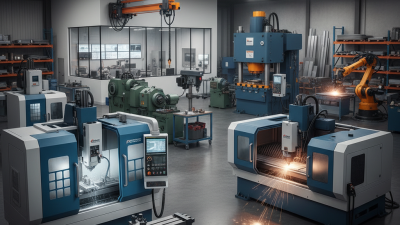
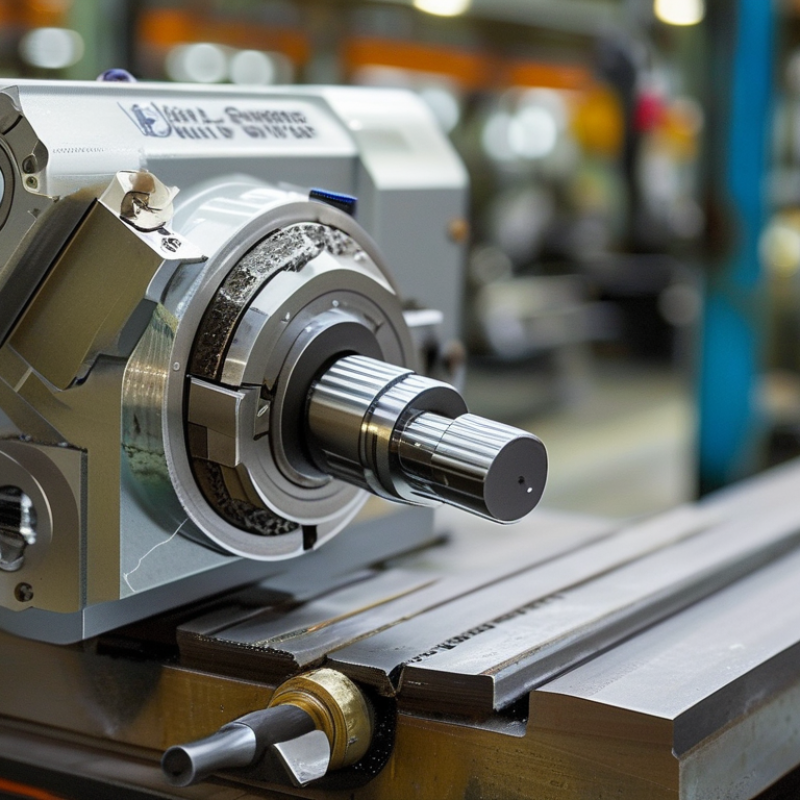
Industrial machine tools play a critical role in global manufacturing. They are the backbone of production processes across various sectors, including automotive, aerospace, and electronics. These machines enhance efficiency, precision, and productivity. Skilled operators use these tools to create intricate components with tight tolerances. Often, the quality of a final product hinges on the machine tool used in its fabrication.
However, investing in industrial machine tools can be challenging. Buyers face a multitude of choices, each offering unique specifications and capabilities. It's essential to assess the long-term reliability and performance of these machines. With the rapid advancement of technology, what works today may become obsolete tomorrow. Continuous training is necessary for operators to keep pace with evolving tools and techniques.
Not all machine tools are created equal. Some may not perform as expected in high-demand environments. It's crucial to gather user experiences and industry insights before making decisions. Manufacturers must ensure they choose tools that align with their production goals. The right machines not only contribute to immediate productivity but also impact future competitiveness.
Top 10 Industrial Machine Tool Brands for Global Buyers
| Rank |
Brand Origin |
Market Share (%) |
Product Range |
Key Technologies |
Customer Segments |
| 1 |
Germany |
25 |
CNC Machines |
Precision Machining |
Aerospace, Automotive |
| 2 |
Japan |
20 |
Lathes & Milling Machines |
High-Speed Processing |
Medical, Electronics |
| 3 |
USA |
15 |
3D Printers |
Additive Manufacturing |
Aerospace, Defense |
| 4 |
Switzerland |
10 |
Precision Tools |
Smart Manufacturing |
Watchmaking, Medical |
| 5 |
South Korea |
8 |
Vertical Machining Centers |
Automation |
Automotive, Electronics |
| 6 |
China |
7 |
Impact Tools |
Cost-Effective Solutions |
General Manufacturing |
| 7 |
Italy |
5 |
Tool Grinders |
Artisanal Craft |
Jewelry, Design |
| 8 |
Taiwan |
4 |
Horizontal Machining Centers |
Robust Designs |
Heavy Industries |
| 9 |
Spain |
3 |
Specialty Machinery |
Custom Solutions |
Textiles, Food |
| 10 |
India |
2 |
Boring Machines |
Affordable Technology |
Construction, Infrastructure |
Criteria for Evaluating Top Industrial Machine Tool Brands
When evaluating industrial machine tool brands, several criteria emerge as critical in guiding global buyers. Quality and precision play a paramount role. According to a recent industry report, approximately 70% of manufacturers prioritize accuracy in their machining processes. It greatly affects production efficiency and product quality. Buyers must consider how each brand meets internationally recognized standards in these areas.
Another essential aspect is customer support and service. A survey indicated that over 60% of users reported that reliable technical support directly influenced their purchasing decisions. Quick response times and effective troubleshooting can minimize downtime, impacting overall productivity. Brands that invest in training and after-sales support create stronger partnerships with their customers.
Price is, of course, a significant factor. However, it is not just about the lowest price. The total cost of ownership should include maintenance, parts availability, and operational efficiency. A report notes that brands with higher upfront costs often have lower long-term expenses due to better durability and performance. This reflects the need for buyers to weigh initial costs against potential long-term savings and efficiency gains.
Top 10 Industrial Machine Tool Brands Evaluation
Detailed Profiles of the Leading 10 Industrial Machine Tool Brands
In the competitive landscape of industrial machine tools, understanding brand strengths is essential. Leading brands often invest heavily in research and development, which fuels innovation. According to a recent industry report, global spending on machine tools exceeded $70 billion in 2022, demonstrating a significant market demand.
Top players focus on precision and efficiency. They utilize advanced materials and cutting-edge technologies. For instance, many brands emphasize their automation features, which enhance productivity. Data reveals that companies using automated machine tools can increase operation efficiency by up to 30%. However, some users report challenges with software integration, highlighting areas for improvement.
Durability remains a key factor for buyers. Consumers expect machines to withstand rigorous use. Yet, service and maintenance can present challenges. Some companies still struggle with providing prompt support when needed. Reliability is crucial, and brands must continue refining their service models. A reputable brand should not only deliver quality tools but also ensure lasting performance through comprehensive customer support.
Comparative Analysis of Brand Features and Product Offerings
When evaluating industrial machine tool brands, understanding their features and product offerings is crucial. Brands often vary in their approach to technology and precision. Some focus on innovative features, while others prioritize reliability and longevity. This divergence can serve different buyer needs, leading to confusion about the best choice.
Examining brand characteristics reveals significant differences. One brand may excel in CNC technology, offering superior automation capabilities. Another might emphasize manual machine tools, catering to traditional operations. Buyers need to reflect on what is essential for their specific applications. For instance, speed may be critical for some processes, while others might prioritize accuracy or ease of use.
Moreover, it's essential to consider after-sales support. Some brands provide robust training and maintenance services, while others fall short in this area. This disparity can impact long-term satisfaction and productivity. When assessing options, it's worth pondering over these factors to ensure the investment aligns with operational goals and enhances business efficiency.
Future Trends and Innovations in Industrial Machine Tools
The industrial machine tool sector is witnessing transformative trends. Some innovations focus on efficiency and sustainability. Market analysis suggests a strong growth trajectory, with a projected CAGR of over 6% in the next five years. This growth correlates with increased investments in automation and smart manufacturing technologies.
Data from industry reports indicate that advanced robotics and AI integration are at the forefront. These technologies enhance precision and reduce human error. However, implementing such innovations poses challenges. Many manufacturers face skill gaps and resistance to change within their teams. Addressing these obstacles is crucial for realizing the full potential of modern machine tools.
Moreover, sustainability cannot be overlooked. A significant number of companies are adopting greener manufacturing practices. This shift reflects changing consumer preferences and regulatory pressures. Yet, achieving a balance between innovation and environmental responsibility requires ongoing commitment and investment. The sector's future relies on adaptability and forward-thinking strategies.