Top 10 Machine Tool Types You Should Know?
In the realm of advanced manufacturing, understanding the various machine tool types is crucial. The machine tool industry is projected to grow at a CAGR of 7.5% from 2023 to 2028, according to a report by MarketsandMarkets. This growth reflects the increasing demand for precision in manufacturing and automation technologies. Experts like Dr. Emily Tran, a renowned authority in the field, have emphasized the importance of diverse machine tools in achieving operational efficiency. She states, "The right machine tool can transform production capabilities and drive innovation."
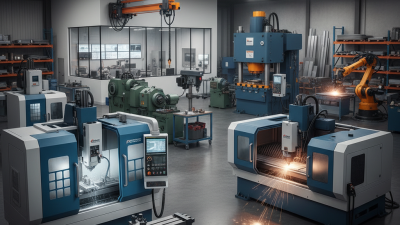
Each type of machine tool serves a unique purpose, from milling machines to lathes and CNC machines. These tools have specific applications that can significantly impact productivity. However, many companies overlook the importance of choosing the right machine tool for their specific needs. This oversight can lead to inefficiencies and increased costs over time.
With the evolution of technology, machine tools have become more complex, and their integration into production processes requires specialized knowledge. This ever-changing landscape demands continual learning and adaptation. As the industry evolves, staying informed on the latest advancements and trends in machine tools remains essential for success.
Overview of Machine Tools and Their Importance in Manufacturing
Machine tools play a crucial role in modern manufacturing. They are essential for shaping and machining materials into desired forms. According to a report from the Global Market Insights, the machine tool market was valued at approximately $79 billion in 2022, showing a steady growth due to increased automation. This growth is driven by the rising demand for precision in industries like aerospace and automotive.
The importance of machine tools cannot be overstated. They improve productivity and ensure accuracy in production processes. A significant 75% of manufacturers reported enhanced efficiency after adopting advanced machine tools. However, the industry faces challenges. Skills shortages and rapid technological advancements can impede progress. As tools evolve, worker training becomes essential to harness their full potential.
Furthermore, machine tools contribute to sustainability. By optimizing resources, they reduce waste and energy consumption. Yet, some manufacturers struggle to integrate green practices effectively. A balance between innovation and environmental responsibility is crucial for future success in manufacturing.
Types of Cutting Tools and Their Applications in Precision Engineering
In precision engineering, selecting the right cutting tools is vital for achieving optimal results. A variety of tools serves different applications. Some tools are designed for milling, while others are meant for turning operations. Understanding these distinctions can enhance efficiency and precision.
Milling cutters, for instance, come in various shapes and sizes. They can create flat surfaces or complex profiles. A common tool is the end mill, perfect for detail work. Meanwhile, lathes utilize cutting tools like turning inserts. These inserts are crucial for shaping cylindrical components. Choosing the incorrect insert can lead to poor surface finishes and unnecessary tool wear.
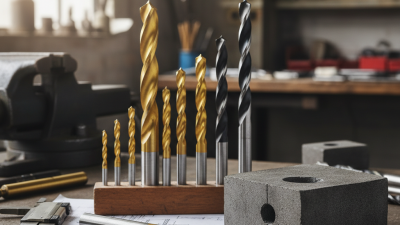
Drilling tools are another essential category. They generate holes with precise diameters. However, not all drills work the same way. Some are optimized for softer materials, while others excel in harder substances. Reflecting on past experiences can help in decision-making. Each application poses unique challenges and opportunities for improvement.
Grinding Machines: Processes and Varieties in Metalworking
Grinding machines play a vital role in metalworking. They can produce precision finishes and enhance tool sharpness. These machines utilize abrasive surfaces to remove material, making them essential in manufacturing.
A common type is the surface grinder, suitable for flat surfaces. It uses a rotating wheel to achieve high precision. Another type is the cylindrical grinder, ideal for processing round parts. This machine can handle both internal and external diameters.
Tips: Consider the needs of your project before selecting a grinding machine. Not all machines are suitable for every task. Proper maintenance of grinding wheels is crucial. Regularly check for wear and replace them to avoid poor finishes.
Another popular category is the tool and cutter grinder. This machine sharpens cutting tools, extending their lifespan. However, it requires skilled operators to achieve optimal results. Grinders can also generate heat, which may affect the material properties. Monitoring temperatures during grinding is essential to avoid unwanted changes.
Tips: Practice safety measures while operating grinding machines. Always wear protective gear to prevent accidents. Familiarize yourself with the machine’s controls and capabilities. Take the time to understand the processes involved for better outcomes.
Understanding CNC Machines and Their Role in Modern Manufacturing
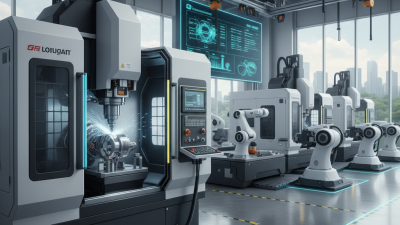
In today's manufacturing landscape, CNC machines play a pivotal role. These computer-controlled devices enhance precision and efficiency. They automate cutting, shaping, and milling tasks, streamlining production processes. CNC stands for Computer Numerical Control. This technology allows for complex shapes and designs, which were once labor-intensive.
Despite their advantages, reliance on CNC machines comes with challenges. Operators need specialized training to program and maintain these systems. The learning curve can be steep, particularly for newcomers. Misprogramming can lead to costly errors, waste materials, and even safety hazards. Thus, continuous training and updates are crucial.
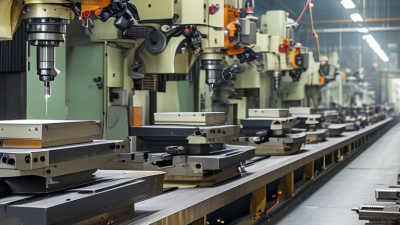
Moreover, while CNC machines thrive in mass production, they may lack flexibility. Adapting to custom jobs often requires significant adjustments. Small-scale operations may find it hard to switch between tasks quickly. It’s essential to weigh the benefits against the potential drawbacks. The intricate balance between efficiency and adaptability remains a key focus in modern manufacturing.
Top 10 Machine Tool Types in Modern Manufacturing
The Evolution of Lathes: From Manual to Automated Systems
The evolution of lathes marks a significant shift in manufacturing. Early lathes required skilled operators to manually shape materials. Craftsmen relied on their precision and knowledge.
Today, the landscape has dramatically changed with the introduction of automated systems. These systems offer remarkable accuracy and efficiency. They reduce the risk of human error.
Tips: Consider investing in training. A knowledgeable operator can optimize the use of automated lathes. Understanding how these machines work increases productivity. Don’t overlook the importance of regular maintenance.
Automation has made lathes more accessible. However, transitioning to these systems can be challenging. Some operators may resist change, struggling with new technology.
Patience is key during this transition. Continuous learning and adaptation will enhance operational success. As automation technology continues to innovate, staying updated is vital for maintaining a competitive edge.
Tips: Embrace a culture of learning within your team. Encourage sharing experiences with new systems. This fosters a collaborative environment for all.