Top 10 Industrial Machine Tools Every Manufacturer Should Know?
In today's manufacturing landscape, understanding the nuances of Industrial Machine Tools is crucial. These tools play a pivotal role in enhancing productivity and precision. Each type of machine tool serves a specific purpose, whether it be cutting, shaping, or drilling materials. Familiarizing oneself with their functions is not just beneficial; it’s essential for any manufacturer striving for success in a competitive market.
The right Industrial Machine Tool can make the difference between mediocre and exceptional output. However, not all tools are created equal. Some may promise efficiency but deliver subpar results. Manufacturers must critically evaluate their options. Outdated machinery can hinder progress and increase production costs. It’s vital to stay informed about advancements in technology and the tools available.
Knowledge of the top Industrial Machine Tools not only empowers manufacturers but also fosters innovation. By understanding their capabilities, businesses can optimize their operations and adapt to changing demands. Continuous learning and adaptation are key components of success in manufacturing. Embracing these tools can lead to significant improvements, yet caution should be exercised against hasty decisions. Choosing the right tools is an ongoing journey rather than a one-time task.
Key Functions and Applications of Industrial Machine Tools
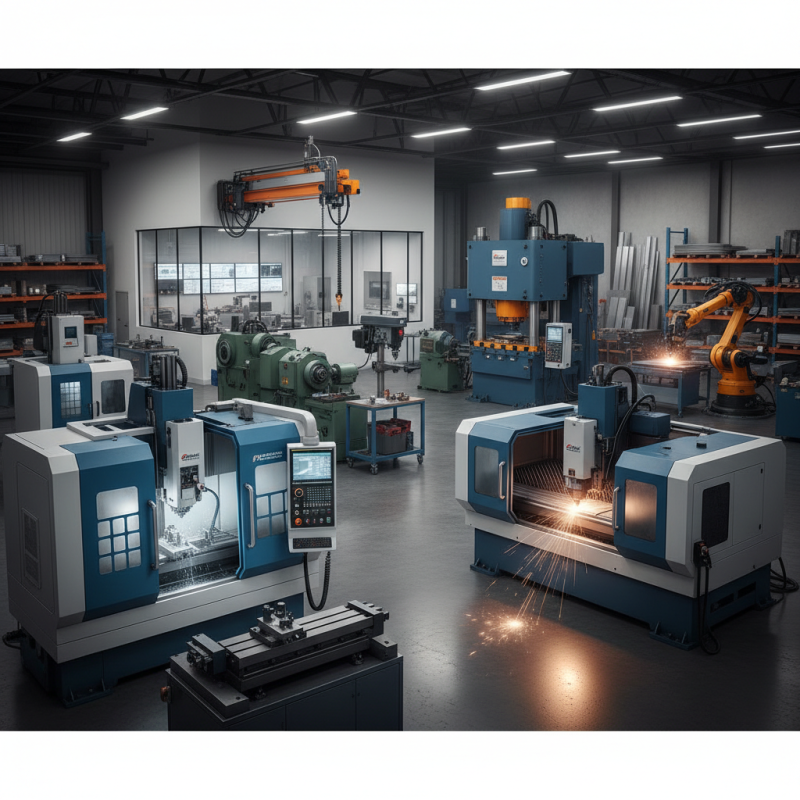
Industrial machine tools are vital for modern manufacturing. They enhance efficiency and precision across various sectors. Key functions include cutting, shaping, and machining materials. These tools are crucial in industries ranging from aerospace to automotive. According to a recent report by the Modern Machine Shop, precision machining can achieve tolerances of less than 0.001 inches.
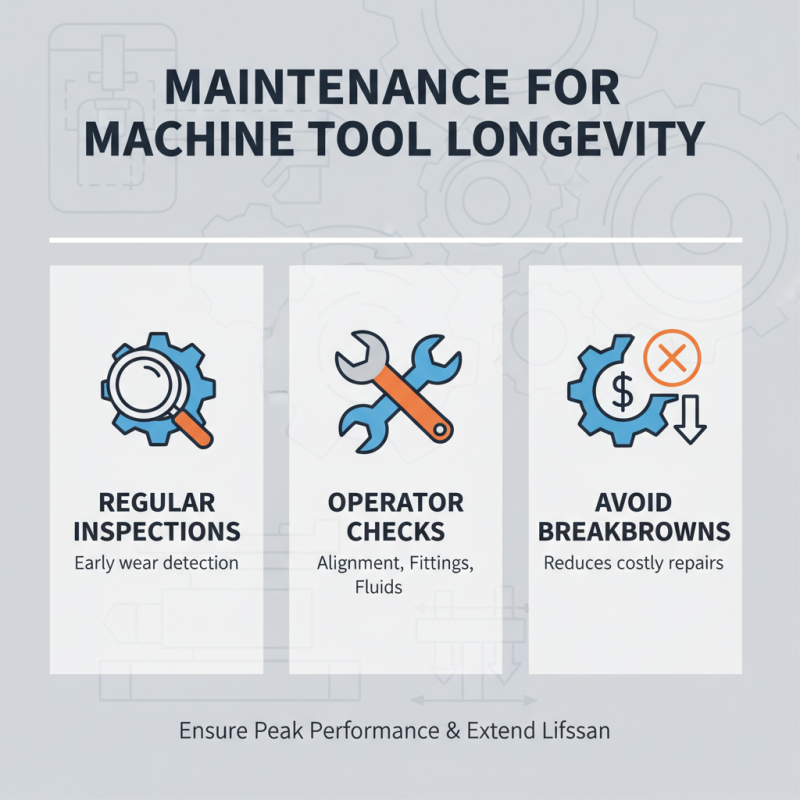
Effective use of these tools can significantly impact production rates. For example, CNC (Computer Numerical Control) machines automate processes, reducing labor costs. Studies show that companies utilizing CNC technology can increase productivity by up to 50%. Yet, many manufacturers overlook their maintenance. Neglect can lead to costly downtimes and operational failures.
Tips: Regular checks on machine calibration are essential. Invest in training your staff to avoid errors. Understanding your machine's capabilities can lead to better production planning. Make sure to document maintenance schedules. This practice can enhance reliability and performance. Taking these steps can prevent unexpected disruptions in production.
Essential Types of Machine Tools for Various Manufacturing Processes
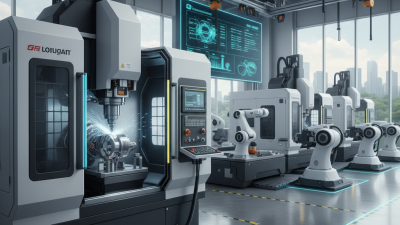
When discussing essential machine tools, a variety of equipment comes to mind. CNC machines are crucial in modern manufacturing. They offer precision, speed, and flexibility. Manufacturers can create complex shapes with high accuracy. These machines minimize human error and increase production rates.
Lathes and milling machines are traditional favorites. Lathes shape materials by rotating them against a cutting tool. This process is efficient for cylindrical parts. Milling machines, on the other hand, remove material through rotating cutters. They provide diverse capabilities, producing flat surfaces and intricate designs.
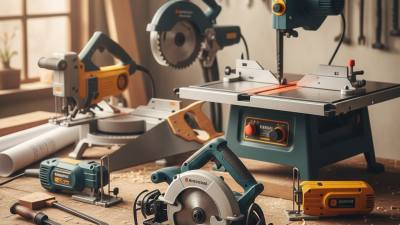
Band saws and grinders also play vital roles in manufacturing. Band saws are excellent for cutting various materials, including metal and wood. They provide clean, straight cuts. Grinders refine the finish of products. They are essential for achieving smooth surfaces and precise dimensions. Despite advancements, not all manufacturers are fully utilizing these tools. Many still rely on outdated techniques that limit their potential. Reflecting on these practices can lead to significant improvements.
Criteria for Selecting the Right Machine Tool for Your Operations
When selecting the right machine tool for industrial operations, several criteria come into play. The tool's versatility is crucial. A study from the Association for Manufacturing Technology reported that versatile machines can reduce production costs by 20%. Many operations need tools that adapt to various tasks. Rigid tools can hinder productivity and limit creativity.
Another important factor is the tool's precision. According to the International Organization for Standardization, a precision level of 0.001 mm can significantly increase product quality. This level ensures that even the smallest components meet strict specifications. Without precision, manufacturers face increased waste and rework, affecting profitability.
Lastly, consider the support and training offered. Many manufacturers overlook this aspect. Technical support can impact the tool's longevity. A report by the National Institute of Standards and Technology found that well-trained staff can boost efficiency by 30%. Investing in training is as vital as the tool itself. While assessing these factors, companies should also reflect on past choices and their outcomes. What worked? What didn’t? This reflection can lead to better-informed decisions in the future.
Emerging Technologies in Machine Tools for Enhanced Productivity
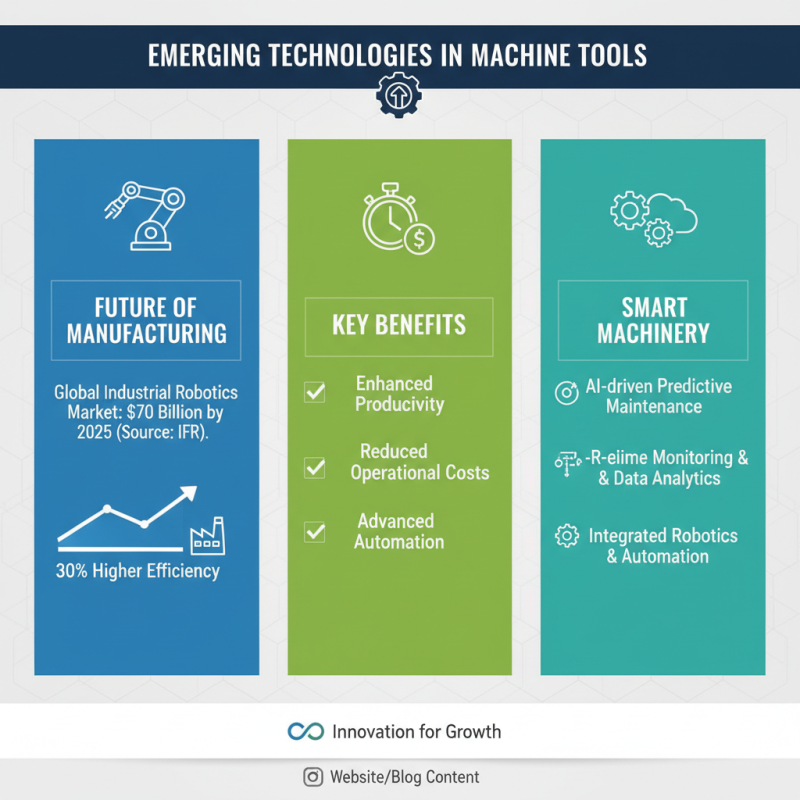
Emerging technologies in machine tools are reshaping the manufacturing landscape. A recent report by the International Federation of Robotics states that the global industrial robotics market is expected to reach $70 billion by 2025. This growth underscores the importance of integrating advanced automation into manufacturing processes. Manufacturers who adopt smart machinery can achieve up to 30% higher efficiency, reducing operational costs significantly.
Additive manufacturing, or 3D printing, is another innovation to consider. According to a 2023 study by Wohlers Associates, the global 3D printing market is projected to grow to $35 billion by 2024. This technology allows for rapid prototyping and reduces material waste. However, the initial investment can be high and requires skilled personnel. Many companies are still figuring out how to fully leverage this technology for maximum impact.
Data analytics in machine tools has emerged as a critical enhancement. A recent Deloitte report indicated that companies using data-driven approaches can improve productivity by 20-30%. Nonetheless, the complexity of data integration remains a challenge. Many manufacturers struggle with the transition from traditional methods to data-centric operations. Embracing these advancements, while addressing existing gaps, is crucial for ensuring sustainable growth in the industry.