2026 How to Use a Hole Saw Tool Effectively for Your Projects?
Using a Hole Saw Tool can enhance your DIY projects significantly. Knowing how to handle this essential tool is crucial for effective results. Many enthusiasts overlook the finer details in their techniques. This often leads to frustration and wasted materials.
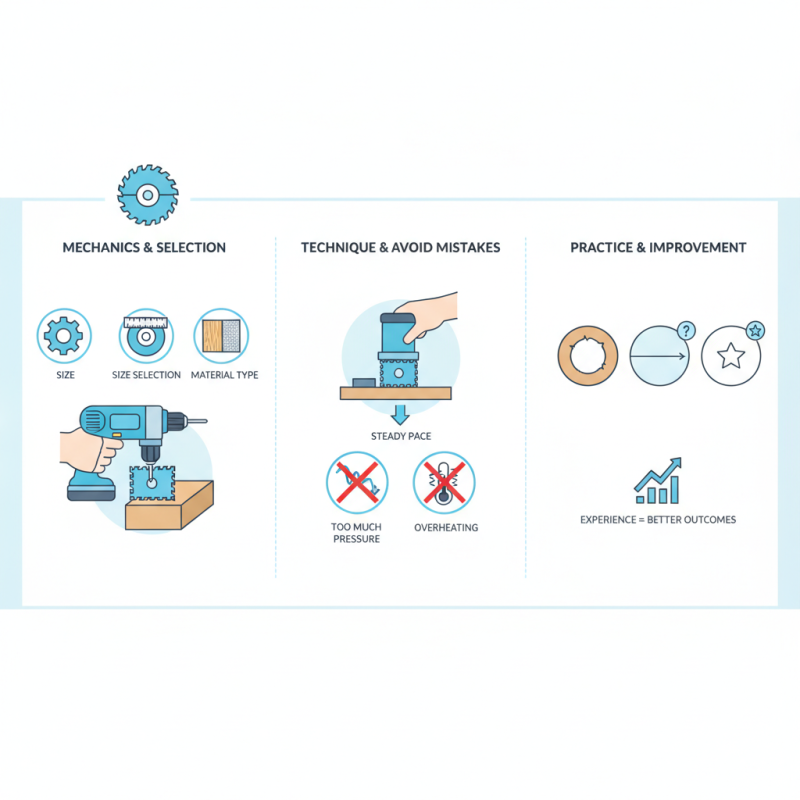
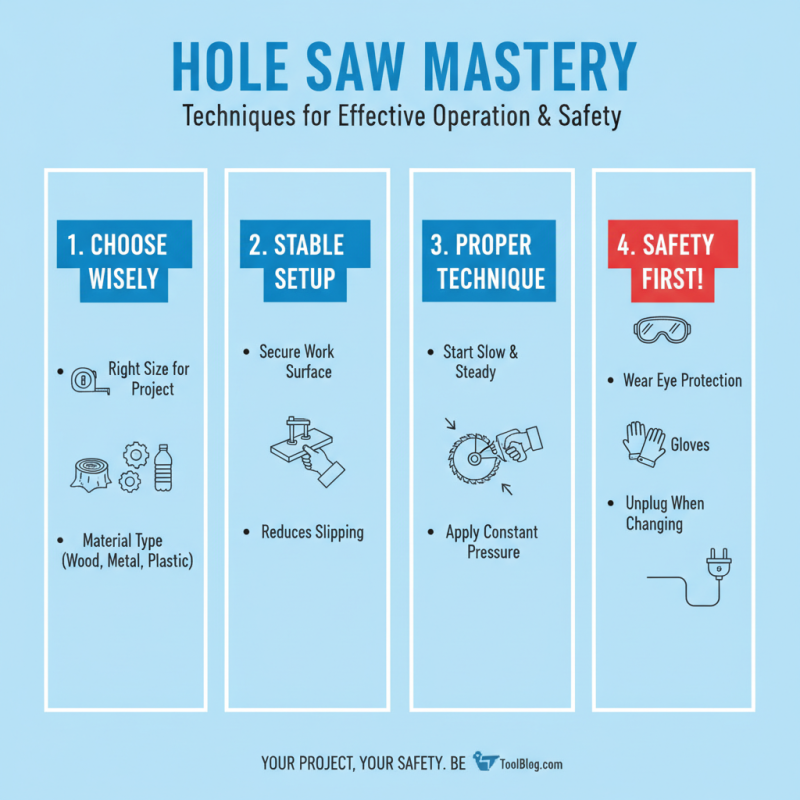
Understanding the mechanics of a Hole Saw Tool is vital. It cuts through various materials, including wood, metal, and plastic. However, using it improperly can cause damage. It’s important to choose the right size and type for your specific application. Also, maintaining a steady pace while cutting helps achieve smooth edges.
Common mistakes include applying too much pressure or not using the correct speed settings. This may lead to uneven cuts or overheating. Therefore, it's essential to practice and refine your technique. Over time, you’ll learn how to maximize the efficiency of your Hole Saw Tool. Embracing experience fosters improvement and better project outcomes.
Understanding the Hole Saw Tool: Definition and Uses
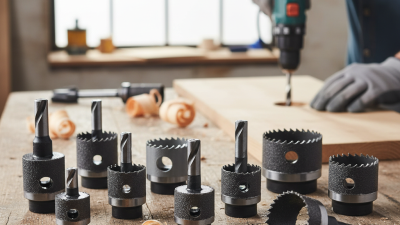
The hole saw tool is essential for various projects, providing precision and efficiency. It consists of a cylindrical blade, designed to cut clean holes in different materials. Most commonly, it is used in wood, metal, and plastic. This tool allows users to create larger openings than standard drill bits. It’s perfect for tasks like installing door locks or running plumbing.
Understanding the tool's application is crucial for effective use. Begin by selecting the appropriate size of the hole saw for your project. Many users overlook this step. A mismatched size leads to wasted time and material. Proper attachment to a drill is vital to ensure safety and success. It might take practice to handle the tool effectively, but the results are rewarding.
While using a hole saw, debris can pile up quickly. Regularly clear out the material to maintain cutting efficiency. Some users find it easy to press too hard, which can damage both the saw and the work surface. Learning to apply consistent, gentle pressure can lead to better results. Each project may offer new challenges, pushing the user to refine their technique further.
Essential Components of a Hole Saw Tool and Their Functions
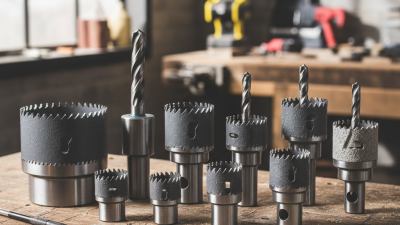
When using a hole saw, understanding its essential components is key to maximizing your projects. A typical hole saw consists of a cylindrical saw body and a cutting edge made from high-speed steel or carbide. The saw body helps maintain structural integrity while the cutting edge efficiently slices through materials like wood, plastic, or metal. According to industry reports, optimal results require selecting the right size hole saw for the intended job. For instance, different diameter hole saws serve various applications, from plumbing to electrical work.
The pilot bit is another critical component. It guides the hole saw and prevents it from wandering off during cutting. Without it, you risk damaging the workpiece. Studies show that using a pilot bit can improve cutting accuracy by up to 30%. Yet, issues can arise, such as bit wear or overheating. This often signifies the need for better lubrication or pressure management during use.
Maintenance is essential, too. Regularly inspecting the cutting edge and replacing dull bits is vital for consistent performance. A worn blade slows down work and can lead to mistakes, possibly causing injury or additional costs. Projects often suffer from overlooked details, and users must remain vigilant. Understanding these components cultivates better habits and enhances overall efficiency in using hole saw tools.
Step-by-Step Guide to Selecting the Right Hole Saw Size
When selecting a hole saw, size matters immensely. Your project dictates the hole size you'll need. Measure the diameter accurately. A small deviation can lead to mistakes. Use a caliper or a tape measure for the best result. If unsure, choose a slightly larger size. It’s easier to downsize than to fix an undersized hole later.
Consider the material you're working with. Different materials require different hole saw types. Wood, metal, and plastic each react differently under cutting conditions. Each material can also dictate how deep the cut needs to be. Think about your equipment's power. Not all drills can handle larger hole saws efficiently. Ensure your drill and hole saw are compatible to avoid frustrating adjustments mid-project.
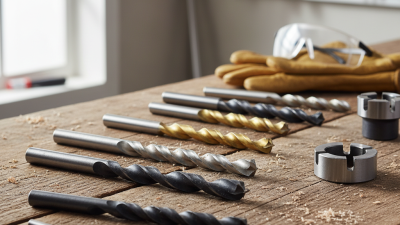
Lastly, don’t overlook the need for a pilot bit. It helps in guiding the hole saw and prevents slippage. Without it, you may end up with crooked holes. This small detail can save you time and effort. Reflect on past mistakes to hone your technique. Improvisation may lead to creativity but can also lead to setbacks. Make every cut count.
2026: How to Use a Hole Saw Tool Effectively for Your Projects?
This chart illustrates the number of projects completed using various hole saw sizes. Selecting the right size is crucial for effective outcomes in your projects.
Common Projects and Applications for Hole Saw Tools in Home Improvement
Hole saw tools play a pivotal role in home improvement projects. They are ideal for cutting holes in various materials. Common applications include plumbing, electrical, and HVAC installations. For instance, a study by the Home Improvement Research Institute indicates that over 30% of DIY projects require precise hole cutting.
Using a hole saw for tasks like installing light fixtures or plumbing pipes can enhance the efficiency of your work. Common sizes range from 3/8 to 6 inches in diameter. Smaller sizes serve well for electrical outlets, while larger ones are perfect for vents. Interestingly, almost 60% of homeowners choose hole saw tools for specific projects, thanks to their versatility.
Yet, they require skill and practice. Mistakes can happen, such as misalignment or uneven cuts. It is also essential to choose the right material for the saw. Bi-metal and carbide-tipped options exist, catering to different material types. Taking the time to assess your requirements is crucial for successful results. Remember, even experienced users sometimes overlook these factors, leading to less than ideal outcomes. Understanding these common projects and applications can streamline your home improvement efforts significantly.