How to Choose the Best Wood Cutting Drill Bit for Your Projects in 2026?
In 2026, selecting the right Wood Cutting Drill Bit is essential for successful woodworking projects. The demand for precision tools is rising, with the wood industry projected to grow by 4% annually through 2027, according to the U.S. Forest Service. Knowing the various types of drill bits can greatly impact your project’s efficiency and outcome.
Selecting the appropriate Wood Cutting Drill Bit requires an understanding of materials and applications. For instance, cobalt bits are known for their durability, while high-speed steel bits offer versatility. Industry reports indicate that using the correct drill bit can enhance drilling speed by 30% and improve hole quality significantly.
However, many woodworkers often overlook the importance of bit selection. A mistake in choosing a Wood Cutting Drill Bit may lead to burn marks or splintering. Observation of tool wear is not just recommended but necessary. This simple reflection can save time and reduce material waste, emphasizing the importance of informed choices in woodworking.
Understanding Different Types of Wood Cutting Drill Bits
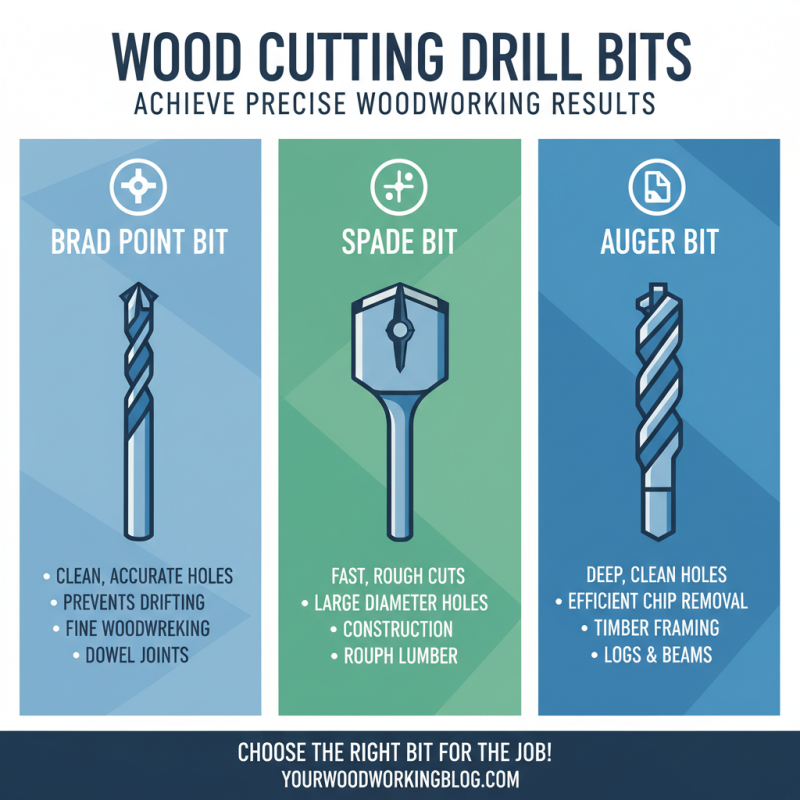
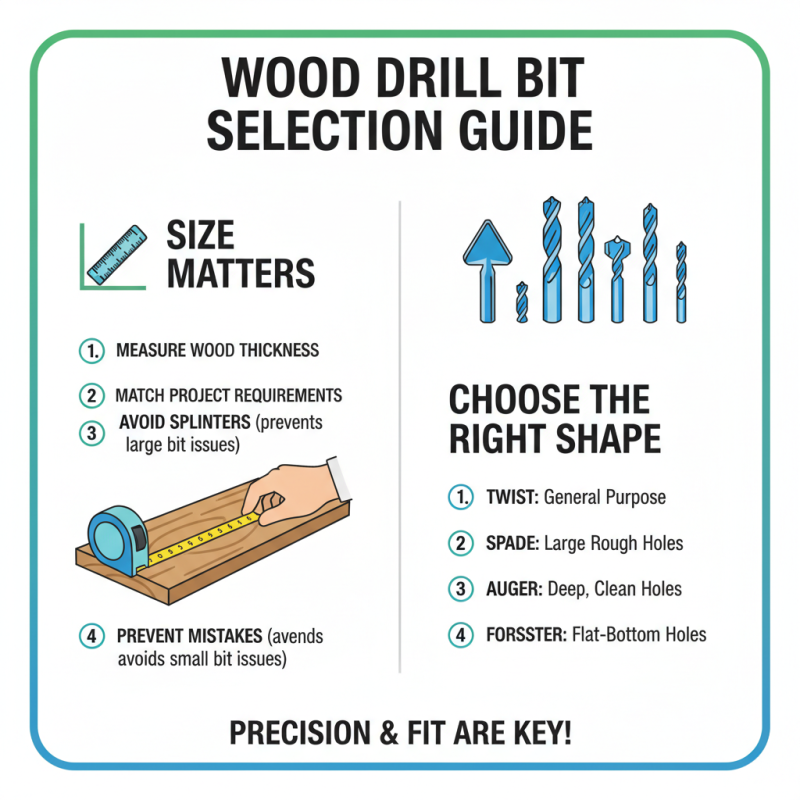
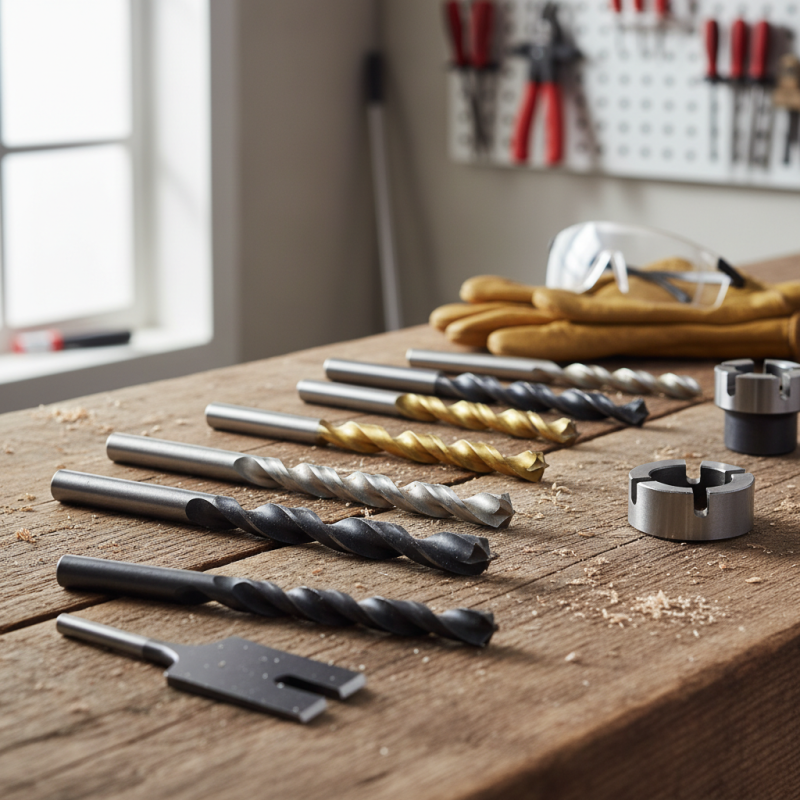
Choosing the right wood cutting drill bit is crucial for achieving precise results in any woodworking project. Understanding different types of bits helps in making informed decisions. There are various options available, including brad point bits, spade bits, and auger bits. Each serves distinct purposes and offers unique advantages.
Brad point bits are ideal for clean cuts and accurate placement. They have a sharp point that prevents wandering on the wood surface, making them great for fine detail work. A recent survey indicated that 45% of woodworkers prefer brad point bits for their precision and control. On the other hand, spade bits are suitable for quick drilling in softer woods. Their broad cutting edges remove material efficiently but may leave rough edges.
Furthermore, auger bits excel in deep drilling. They create large holes and maintain speed with less effort. Despite their effectiveness, some users find them challenging to handle due to their size. About 30% of hobbyists reported needing practice to master auger bits. Each type has its pros and cons, and understanding these can significantly impact the quality of your woodworking tasks. Selecting the right bit type can enhance your project outcomes and overall satisfaction.
Evaluating Material Quality for Optimal Performance
When selecting a wood cutting drill bit, material quality is crucial. Bits made from high-speed steel offer durability and resilience for various wood types. Cobalt bits provide even better heat resistance. It’s essential to understand that not all bits perform equally well. Many factors contribute to their effectiveness, including the type of wood and the bit's design.
Checking the coating on drill bits is another important detail. A titanium nitride coating can enhance performance by reducing friction. However, over time, even the best coatings wear off, leading to diminished cutting efficiency. Regular evaluation of your tools can prevent costly mistakes in your projects. It’s vital to recognize when a bit needs replacement.
In some cases, even high-quality bits may not yield the best results. Users might find issues like splintering or excessive burning. This can happen if the wrong bit size is chosen or if the material is too dense. Testing different options is often necessary. This trial and error process helps identify the ideal choice for specific tasks. Keeping a log of your experiences can be beneficial in refining your selection process.
Considering Drill Speed and Power Requirements
When choosing the best wood cutting drill bit, understanding drill speed and power requirements is crucial. The drill speed, measured in RPM, determines how quickly the bit can cut through wood. A higher RPM is beneficial for softer woods, while harder woods may require slower speeds. Many woodworkers overlook this balance, leading to inefficient cuts or burned materials. Selecting the right speed can dramatically impact your efficiency and the quality of your work.
Consider the power of your drill as well. A drill with higher torque is essential for larger bits or tougher woods. Low-powered drills may struggle, causing frustration and damage to your project. Before making a choice, test your drill's performance with different bit sizes. This trial will give you insights into the ideal combinations for your specific tasks.
*Tips:* Always ensure your drill is compatible with the drill bit size. If a bit feels too tight, it's not a safe match. Additionally, power isn't everything; sometimes a slower speed may yield better results. Maintaining a steady hand can also help prevent binding. Take time to assess and adjust.
Maintenance Tips for Longevity of Wood Cutting Drill Bits
Proper maintenance can significantly extend the life of wood cutting drill bits. These tools are essential for woodworking projects, so taking care of them is important.
Cleaning is the first step. After every use, remove any wood shavings or resin build-up. A simple brush or compressed air can do the trick. This prevents jams and helps maintain cutting efficiency.
Sharpening drill bits is another crucial task. Over time, the edges dull and become inefficient. Using a fine file or a specialized sharpening tool can bring back their sharpness. Regularly reviewing the sharpness will save you time and effort in the long run.
Proper storage is also vital. Storing drill bits in an organized way prevents damage. Use a dedicated toolbox or a protective case. This will keep them safe from moisture and impact. Reflecting on these maintenance strategies will lead to better project outcomes. A little care today can ensure your tools are ready for tomorrow.