Leave Your Message

What Is the Best Hack Saw for Global Buyers?

Choosing the best Hack Saw for global buyers requires more than comparing prices. It requires evidence, application knowledge, and careful supplier evaluation. Mordor Intelligence estimates that the global hand tools market will continue expanding through 2030, supported by construction, automotive repair, and industrial maintenance demand. Grand View Research also identifies durability, ergonomics, and professional-grade performance as important purchasing factors. However, these reports usually group hacksaws with broader hand-tool categories. That limitation matters.

A reliable Hack Saw should match the material, workload, and working environment. Buyers cutting mild steel may need a 24-tooth-per-inch bi-metal blade. Stainless steel often demands sharper, heat-resistant teeth. A rigid frame reduces blade twisting, while a comfortable handle improves control during repeated cuts. In coastal warehouses, corrosion resistance deserves attention. It is easy to overlook.

Tool educator Paul Sellers repeatedly emphasizes, “Let the tool do the work.” His practical principle applies here. A strong saw should cut efficiently without excessive force. Global buyers should inspect blade tension, replacement availability, packaging protection, and supplier traceability. ISO 9001 certification can support quality confidence, but it does not guarantee perfect performance. Independent testing remains valuable.

Price alone can mislead. A cheaper frame may create higher costs through broken blades, slower production, or hand fatigue. Yet premium equipment is not automatically better for every user. This guide compares Hack Saw designs, blade materials, safety features, and regional purchasing considerations. The goal is practical selection, not exaggerated claims. Some recommendations may still require field testing. Real workshops are less predictable than product catalogs.

What Is the Best Hack Saw for Global Buyers?

What Is a Hacksaw and How Does It Work?

A hacksaw is a hand tool designed to cut metal, plastic, conduit, and other hard materials. It uses a narrow, toothed blade stretched inside a rigid frame. The blade’s teeth remove a small amount of material during each forward stroke. Pressure on the return stroke should remain light.

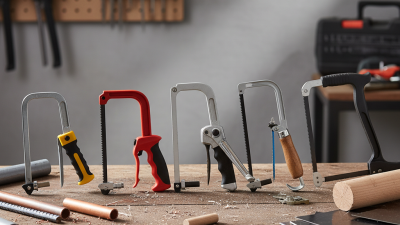
A typical frame has a handle, blade pins, and a tensioning screw. Proper tension matters. A loose blade can wander, vibrate, or break. Excessive tension may damage the blade or frame.

I usually tighten the blade until it sounds firm when tapped, but this method is not perfectly precise. A test cut remains safer.

Hacksaw blades commonly use different tooth counts, such as 18, 24, or 32 teeth per inch. Coarse teeth cut thick material faster, while fine teeth work better on thin tubing and sheet metal. At least three teeth should contact the workpiece during cutting. Secure the material in a vise, keep the blade aligned, and use steady full strokes. Let the teeth do the work. Do not twist the frame.

For global buyers, a useful hacksaw should accept readily available replacement blades and include clear size specifications. Check blade length, frame adjustment, handle comfort, and corrosion resistance before purchase. A metric or imperial measurement system may affect replacement choices. Packaging claims are not enough. A practical sample cut can reveal more than polished product photos.

Which Hacksaw Features Matter for Global Buyers?

For global buyers, a hacksaw’s useful features matter more than its appearance. Blade compatibility should come first. ISO 2336:2016 defines dimensions for hand hacksaw blades, helping buyers check fit across suppliers. A frame accepting common blade lengths reduces replacement delays and warehouse confusion.

Tooth Count Blades with 18–24 teeth per inch suit thicker steel and general workshop cutting. Finer blades, around 24–32 teeth per inch, produce cleaner cuts in thin tubing.

Material & Control Buyers should also inspect blade material, tension control, and corrosion resistance. Bimetal blades usually balance flexibility and wear resistance. A rigid frame prevents wandering cuts. It also reduces wasted effort.

Ergonomics are easy to underestimate. The handle should remain stable with oily gloves, while the tension knob should work without excessive force. The U.S. Bureau of Labor Statistics continues to record substantial hand and upper-limb injury risks across manual work, so grip comfort deserves practical testing.

According to Grand View Research’s 2024 hand tools market report, the global market was valued at approximately USD 24.6 billion in 2023. That growth increases product choice, but not necessarily product quality.

My own mistake was judging a saw by its frame strength alone. Replacement blades were difficult to source. For international purchasing, packaging, corrosion protection, spare-part availability, and clear metric measurements can matter just as much. Some specifications still look impressive on paper. They may disappoint on a cold, repetitive job.

How Do Blade Types Affect Hacksaw Performance?

What Is the Best Hack Saw for Global Buyers?

How Do Blade Types Affect Hacksaw Performance?

Blade type directly influences cutting speed, finish, and service life. High-carbon steel blades suit softer materials, such as mild steel, plastic, and thin aluminum. They are economical and easy to replace. However, their teeth may dull quickly during repeated cutting. Bi-metal blades combine flexible spring steel with hardened teeth. This design handles vibration well and reduces sudden tooth breakage. It is often a dependable choice for workshops serving varied applications.

Tooth pitch matters just as much. Coarse blades remove material quickly from thick stock, while fine-tooth blades create cleaner cuts on thin tubing. A useful rule is to keep at least three teeth engaged with the workpiece. Too few teeth can cause snagging. Too many can clog with chips. Carbide-grit blades can cut hardened or abrasive materials, but they usually cut more slowly. They also require steady pressure and careful alignment.

Tips: Match the blade length and mounting holes to the frame before ordering. Check TPI, material, width, and thickness, not just the product photo. Test one blade on your actual material. A specification sheet cannot reveal every vibration issue. In practical use, a stronger blade is not always better. I have seen fine teeth wear prematurely when users applied excessive pressure. Let the teeth work. Keep the frame straight, use controlled strokes, and replace a blade when cutting becomes visibly uneven.

How Should Buyers Compare Materials, Sizes, and Ergonomics?

What Is the Best Hack Saw for Global Buyers?

Buyers should compare the blade material before comparing price. High-carbon steel blades suit general cutting and offer useful flexibility. Bi-metal blades combine a tough backing with hardened teeth. They resist tooth breakage during repeated workshop use. Carbide-grit blades suit abrasive materials, but they cut differently and may feel slower. Grand View Research reported that the global hand tools market was valued at over USD 20 billion in 2023. This growth reflects demand for durable, task-specific tools rather than one universal saw.

Size changes control. A 250–300 mm blade fits common repair work and remains easy to replace. Longer blades increase cutting reach but can flex during awkward cuts. Tooth pitch also matters. Use coarse teeth for thick stock and finer teeth for thin tubing. A practical rule is to keep at least three teeth engaged in the material. Handle comfort deserves equal attention. The U.S. Bureau of Labor Statistics identifies overexertion and bodily reaction as major sources of workplace injuries. Poor grip design can increase wrist fatigue, even when the blade performs well.

Tips: Test the grip with work gloves. Check blade tension without tools. Compare replacement availability in the buyer’s country. A lighter frame may feel better, but it can vibrate more. I would not judge ergonomics from photographs alone. Hands reveal flaws quickly.

What Quality, Safety, and Compliance Standards Should Be Checked?

For global buyers, the best hacksaw is not simply the sharpest one. Quality starts with a rigid frame, stable blade tension, and a comfortable, impact-resistant handle. Check whether the frame remains straight after repeated tensioning. The blade should cut cleanly without excessive vibration. A useful inspection includes tooth uniformity, weld quality, corrosion resistance, and handle grip under oily conditions. Small defects matter.

Safety checks deserve equal attention. Look for a secure blade-locking mechanism and smooth frame edges. The handle should not loosen when exposed to pulling force or temperature changes. Ask for documented testing, sampling methods, and batch traceability. Packaging should protect the blade and prevent accidental contact during transport. Do not rely on attractive photos. I have seen tools that looked robust but flexed during a basic workshop test.

Tips: Request samples from different production batches. Compare cutting performance, tension retention, and handle comfort. Check the supplier’s quality records, inspection equipment, and corrective-action process. Confirm which safety and material requirements apply in each target market, including chemical restrictions and labeling rules. Test reports should identify the exact model and test date. Generic certificates are weak evidence. A declaration without supporting records also deserves caution. Requirements can change, so buyers should verify current rules with qualified local experts before placing large orders.

What Is the Best Hack Saw for Global Buyers? - What Quality, Safety, and Compliance Standards Should Be Checked?

Evaluation Dimension Recommended Specification or Checkpoint Common Reference Values Quality or Safety Evidence to Request Buyer Assessment
Blade Length Confirm compatibility with the selected frame and the intended cutting depth. Common hand-hacksaw blade lengths are approximately 250 mm and 300 mm (about 10 in and 12 in). Dimensional inspection report, tolerance data, and product drawing. ISO 2336 may be used as a dimensional reference for hand-hacksaw blades. Pass when the blade fits the frame securely without excessive play.
Tooth Pitch Select tooth pitch according to material thickness; at least two or three teeth should normally engage the workpiece during cutting. Typical pitches include 14, 18, 24, and 32 teeth per inch (TPI). Coarser teeth suit thicker sections; finer teeth suit thin-wall sections. Tooth-count inspection, pitch measurement, and cutting trial on representative steel, aluminum, or plastic sections. Pass when the selected pitch cuts without tooth stripping, snagging, or excessive vibration.
Blade Material Use a material and heat treatment suitable for the target workpiece and expected service life. Common constructions include carbon steel, alloy steel, and bi-metal blades with a hardened high-speed-steel cutting edge. Material certificate, hardness test results, metallurgical specification, and batch traceability. Pass when the declared material, hardness range, and actual test results are consistent.
Blade Hardness and Flexibility The cutting edge should resist premature wear while the blade body should tolerate normal frame tension without cracking. Do not accept a hardness value without a defined test method and location; edge and back hardness may differ on bi-metal products. Rockwell hardness report, bend or flex test method, fracture inspection, and sample cutting results. Pass when no cracks, tooth breakage, or abnormal permanent deformation appear during testing.
Frame Strength and Tension Check that the frame remains stable under the manufacturer’s stated blade-tension range and during normal manual use. The frame should hold the blade straight, maintain alignment, and allow controlled tension adjustment. Static-load test, tension-adjustment test, weld or joint inspection, and dimensional inspection of blade mounts. Pass when the blade does not slip or detach and the frame shows no visible cracking or permanent distortion.
Handle Ergonomics The grip should be secure, comfortable, and free from sharp edges, exposed fasteners, or molding defects. Prefer a non-slip grip profile, adequate finger clearance, and a handle that remains stable with gloved hands. Visual inspection, glove-use trial, pull-off or retention test, and user-ergonomics assessment. Pass when the handle does not rotate, loosen, split, or create foreseeable hand-injury hazards.
Corrosion Resistance Protect uncoated steel components against rust during storage and international transport. Suitable controls may include protective coating, corrosion-inhibiting packaging, and controlled humidity exposure. Salt-spray or humidity-test report when specified by contract, coating thickness data, and packaging validation. Pass when there is no unacceptable red rust, pitting, or functional deterioration after the agreed test.
Cutting Performance Define the workpiece material, cross-section, cutting force, time, and acceptable tooth-wear limit before approval. Performance depends on blade material, pitch, tension, operator technique, and workpiece hardness; one universal cutting-speed value is not appropriate for a manual saw. Representative cutting trial, before-and-after tooth photographs, cycle count, and failure analysis. Pass when agreed cutting time, straightness, durability, and tooth-retention targets are achieved.
Sharp-Edge and Injury Control Control unintended contact with blade teeth and remove burrs from the frame, handle, and blade mounting points. Provide a blade guard or protective packaging where practical, together with safe-use warnings and basic PPE guidance. Safety inspection, packaging-drop evaluation, warning-label review, and user instructions in the destination language. Pass when foreseeable cutting, puncture, and handling risks are addressed in the design and instructions.
Chemical Compliance Review substances in coatings, plastics, lubricants, inks, and packaging for the destination market. For the European Union, assess applicable obligations under REACH Regulation (EC) No 1907/2006 and any relevant SVHC communication duties. Material declarations, supplier chemical statements, safety data sheets where applicable, and laboratory screening for risk-based verification. Pass when restricted-substance requirements for the target market are documented and controlled.
Market-Specific Product Safety Identify whether the product is sold to consumers, professionals, or both, and apply the destination market’s general product-safety rules. Consumer products placed on the European Union market may fall under Regulation (EU) 2023/988, the General Product Safety Regulation, subject to its scope and exemptions. Risk assessment, technical file, traceability information, responsible economic-operator details where required, and corrective-action procedure. Pass when the importer or seller can demonstrate a documented safety assessment for the destination market.
Labeling and Instructions State blade size, tooth pitch, compatible frame, intended materials, safe handling, storage, and disposal information. Instructions should be clear, durable, legible, and translated where required by the destination country. Artwork approval, translation review, label durability check, lot or batch identification, and country-of-origin information where legally required. Pass when the product can be correctly identified, used, stored, and traced after sale.
Quality Management and Traceability Require controlled specifications, incoming-material checks, process inspection, final inspection, and retained samples. ISO 9001 certification can support quality-system evaluation, but it does not by itself certify hack-saw performance or product safety. Valid certificate scope, inspection plan, calibration records, nonconformance records, batch coding, and corrective-action reports. Pass when every shipment can be linked to materials, production records, inspection results, and corrective actions.
Packaging and Transport Prevent tooth damage, moisture ingress, blade movement, and accidental exposure during handling. Use secure internal separation, moisture protection where needed, and packaging sized to prevent movement without excessive waste. Drop-test results, carton compression assessment, moisture-control procedure, packaging specification, and shipment inspection photos. Pass when products arrive dry, undamaged, correctly labeled, and safe to unpack.

Reference note: Applicable requirements depend on the product configuration, intended use, sales channel, and destination country. Standards and regulations should be verified in their current official editions before purchase or market placement.