How to Choose the Best Bi Metal Hole Saw?
Choosing the best Bi-Metal Hole Saw begins with the material, not the package label. Steel, stainless steel, aluminum, and wood each create different cutting demands. A saw that glides through mild steel may overheat quickly in stainless steel. Tooth pitch, cutting depth, arbor strength, and operating speed all matter.
Industry research supports this careful approach. Grand View Research and Freedonia Research both identify durability, productivity, and material-specific performance as major priorities in the broader metal-cutting-tools market. Their findings do not replace application testing. They provide useful context. In a workshop, the evidence is more immediate: blue teeth, a smoking cut, or a jammed pilot drill usually signals the wrong combination.
As LENOX application guidance commonly emphasizes, “The right hole saw depends on the material and the application.” That principle is simple. It is also easy to ignore. Experienced installers often select a Bi-Metal Hole Saw by habit, then blame the tool when the cut fails. That mistake deserves reflection.
A practical choice considers tooth geometry, hole diameter, cutting fluid, and machine stability. For thin sheet metal, a variable-pitch design can reduce chatter. For thicker steel, deeper gullets may improve chip removal. Stainless steel demands patience and firm pressure. Stopping repeatedly can harden the surface.
This guide will compare these factors clearly. It will also examine misleading product claims, real-world cutting conditions, and the small details that influence service life. No single saw wins every job. That is the uncomfortable truth.
What Is a Bi-Metal Hole Saw and How Does It Work?
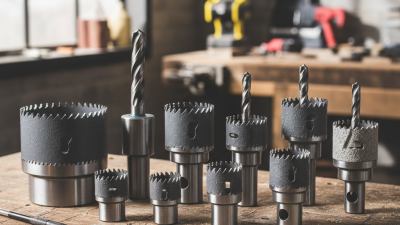
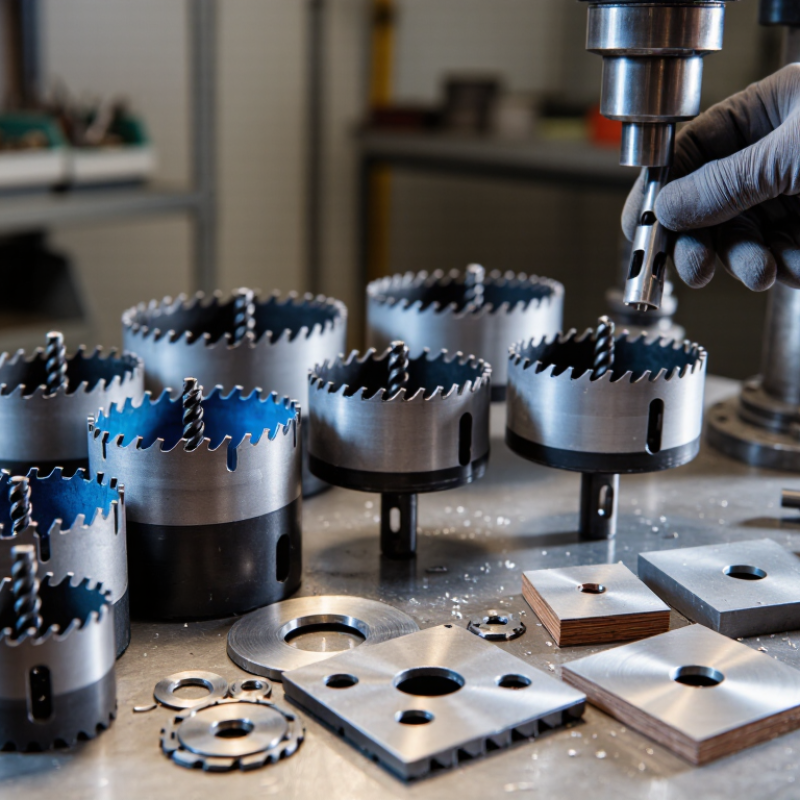
A bi-metal hole saw combines two steels in one cutting tool. Its body uses flexible spring steel, while its teeth use high-speed steel (HSS). This design lets the saw bend slightly without cracking. The HSS teeth resist heat and abrasion during cutting. They can cut mild steel, stainless steel, aluminum, wood, and plastic with the correct speed and pressure.
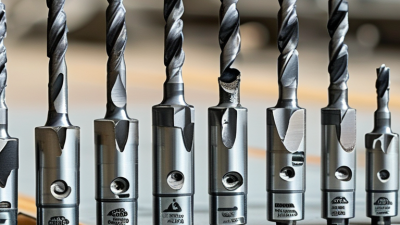
The tooth edge removes a circular slug as the pilot drill guides the cut. Fewer teeth usually clear wood chips faster. More teeth often produce a cleaner metal cut. ISO 4957:2018 identifies HSS as a tool-steel category designed for high-temperature cutting. Some HSS grades contain cobalt. The U.S. Geological Survey reported about 230,000 metric tons of global cobalt mine production in 2023. That supply figure matters because cobalt-alloyed HSS can cost more. It does not automatically make every hole saw better.
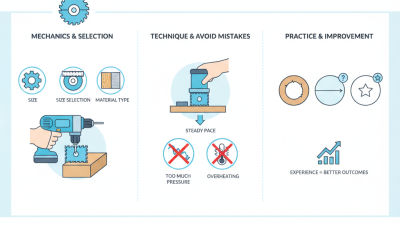
Tips: Match the saw to the material first. Use cutting fluid on steel, steady pressure, and a slower speed. Keep the pilot bit sharp. Never force a dull saw. Heat turns teeth blue.
In practical testing, the biggest mistake is choosing diameter before tooth design. A 32 mm saw for thin sheet needs different behavior from one cutting hardwood. Manufacturers’ speed charts are useful starting points, not absolute rules. Watch the chips. Fine dust, smoke, or squealing often signals excessive speed or pressure. The choice remains a compromise: longer life, faster cutting, cleaner edges, and lower cost rarely arrive together.
How to Evaluate Durability, Speed, and Compatibility
Choosing the best bi-metal hole saw starts with durability, cutting speed, and compatibility. These factors decide whether one clean hole becomes ten or only two.
A durable hole saw usually has hardened teeth and a flexible alloy body. In practical workshop use, sharp teeth should cut steel without excessive vibration. Inspect the tooth line before each job. Uneven teeth often signal damage or poor alignment. A clean, smooth cut matters more than an impressive package claim. I once chose a faster cutter and ignored heat control. It cut quickly, but the teeth dulled sooner than expected. That mistake still influences my buying decisions.
Tips: Match the saw diameter to the project, not just the available tool. Use steady pressure and suitable cutting fluid on metal. Let the saw cool between repeated cuts. Remove the plug often. A clogged interior can slow cutting and increase heat.
Speed depends on the material, diameter, and drill setting. Smaller saws generally tolerate higher speeds than larger ones. For stainless steel, slower rotation and firm control are safer choices. For wood or plastic, excessive pressure can tear the surface. Compatibility also includes the arbor, pilot drill, and power tool chuck. Check thread sizes and mounting limits carefully. A hole saw may fit the arbor but still perform poorly with a weak drill. Test one sample hole before starting a larger installation. That small test can reveal wobble, overheating, or an unsuitable cutting speed.
How to Choose the Best Bi-Metal Hole Saw
Compare common bi-metal hole saw configurations by durability, cutting speed, and material compatibility. Scores use a practical 0–100 evaluation scale, where higher values indicate stronger overall performance.
M42 cobalt bi-metal teeth generally provide the best balance for frequent metal cutting, while standard HSS bi-metal designs offer faster general-purpose cutting at lower cost. Variable-pitch teeth can improve cutting stability across mixed materials. Actual results depend on tooth pitch, saw diameter, cutting fluid, feed pressure, and tool speed.
How to Choose the Right Bi-Metal Hole Saw for Your Project
Choosing the right bi-metal hole saw begins with the material, not the tool’s appearance.
For thin sheet metal, select fine, closely spaced teeth. For wood, plastic, or mixed materials, variable-pitch teeth usually reduce vibration and clogging. A cobalt-alloy tooth edge can improve heat resistance, but it cannot fix an incorrect speed setting. Check the arbor size, cutting diameter, and drill compatibility before purchase.
I once chose a large hole saw for a quick plumbing opening and ignored the pilot bit length.
The cut wandered, and the surrounding surface was damaged. That mistake still matters. Match the saw to the material thickness and use a stable, low-speed setting.
The U.S. Bureau of Labor Statistics recorded
about 2.6 million nonfatal private-industry injuries and illnesses in 2023.
Careful tool selection supports safer work, especially when cutting overhead or near finished surfaces. Follow the manufacturer’s operating limits and wear suitable eye protection.
Tips:
Measure twice. Use cutting fluid on metal. Let the teeth cut, not force them. A pilot bit should enter squarely. Check the tooth condition after each demanding cut. If the saw overheats, stop and reconsider the speed, pressure, or tooth pattern. Choosing by price alone is tempting, but it often overlooks arbor quality, replacement parts, and actual project conditions. That shortcut can be expensive.