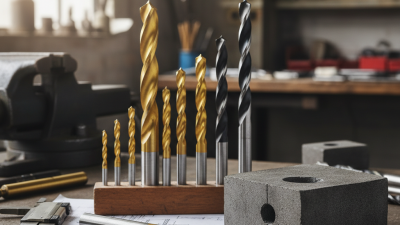
Best Wall Hole Saw for Perfect Cuts and Easy Installation?
In the realm of home improvement, achieving perfect cuts is essential for a professional finish. A top-rated expert in the field, Jack Thompson, once stated, “The right Wall Hole Saw transforms cutting into an art.” This highlights the significance of choosing the best tools for the job.
Selecting the ideal Wall Hole Saw requires understanding your project's specific needs. Different materials demand different blades. For instance, a metal wall will not yield the same results as drywall. This knowledge is crucial for any DIY enthusiast or professional. An ill-suited saw can cause frustration and unsatisfactory results, leaving you questioning your tool choices.
Moreover, installation ease is just as vital as cutting precision. A high-quality Wall Hole Saw should provide a seamless experience. However, not all options on the market live up to their promises. As you ponder your selection, remember that some models can underperform and lead to unnecessary challenges. Assessing user reviews and expert recommendations can guide you toward a reliable choice.
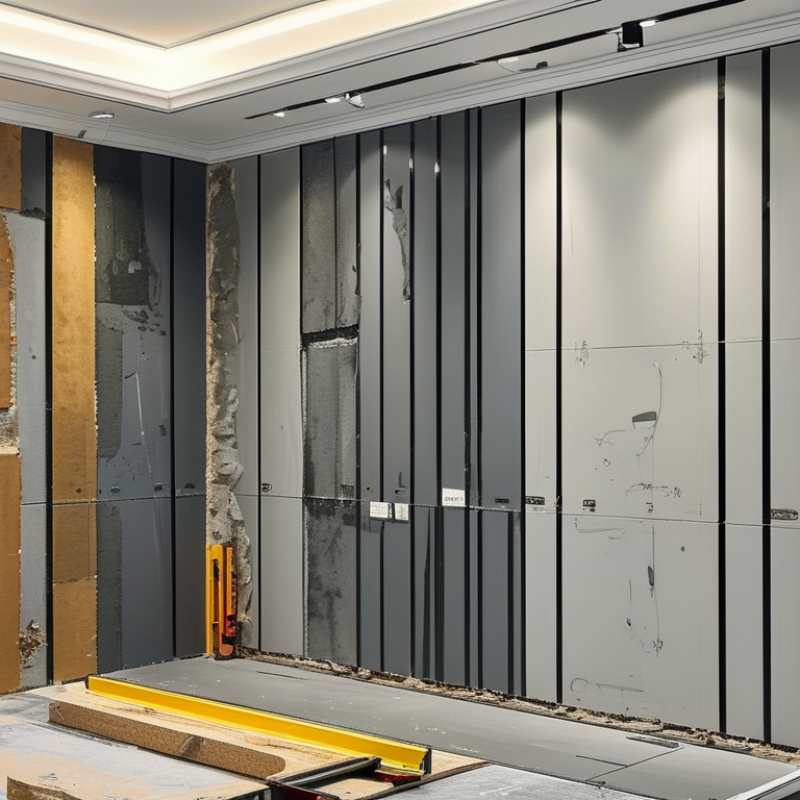
Choosing the Right Wall Hole Saw: Key Features to Consider
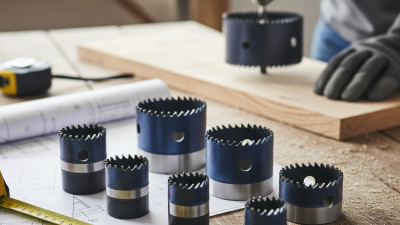
When selecting a wall hole saw, consider essential features that ensure efficiency and precision. The diameter of the saw is crucial. A larger diameter allows for bigger holes, while a smaller one provides more control, especially in tight spaces. Additionally, the tooth design can significantly affect cutting performance. Sharp, aggressive teeth enable faster cuts, while more uniform teeth create smoother edges.
Blade material is another key element. High-speed steel and carbide-tipped options are popular due to their durability. These materials resist wear, maintaining performance over time. Look for saws with a good warranty. This reflects the manufacturer's confidence in their product’s reliability. It’s worth investigating the depth of the saw. If it’s too shallow, you may face challenges with thicker walls.
Installation ease shouldn’t be overlooked. Some wall hole saws come with a pilot drill, which can be handy for aligning cuts accurately. On the flip side, complex setups may cause frustration. Always read customer reviews for insights into the user experience. Some users report difficulties even with top-rated products, which emphasizes the need for thorough research. A wise choice combines quality features with practical usability.
Types of Wall Hole Saws: A Comprehensive Overview
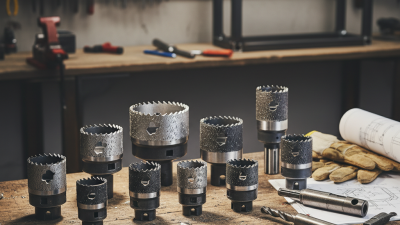
When selecting the right wall hole saw, it's essential to understand the different types available. Diamond grit saws provide durability for tough materials, while bi-metal saws are great for wood and metal. Carbide-tipped options offer precision for ceramic tiles. Each type serves specific needs, making it crucial to choose wisely for your project.
**Tip:** Always match the saw size to your pipe or fixture. Accurate measurements prevent mistakes during installation.
Safety should never be overlooked. Use protective eyewear and secure the surface before cutting. This enhances accuracy and reduces accidents.
**Tip:** Practice on scrap material. This helps you gauge the saw's performance and your technique. It's perfectly fine to make mistakes; learning through trial is part of the process. Don't rush; quality cuts take time.
Wall Hole Saw Types and Their Applications
Step-by-Step Guide to Using a Wall Hole Saw Effectively
Using a wall hole saw can make installation tasks easier and more efficient. However, achieving perfect cuts requires proper techniques. According to a report by the National Association of Home Builders, choosing the right hole saw can significantly reduce labor time. To make the best cuts, a sharp and suitable saw for the material is essential.
When using a wall hole saw, begin by marking your cut area clearly. A precise mark helps avoid mistakes. Before cutting, check the power tool settings; a steady speed is vital for clean edges. A speed that is too high can burn the material. Likewise, too much pressure can lead to uneven holes. It’s important to let the saw do the work, promoting both efficiency and safety.
Tip: Always wear protective gear when cutting. Safety glasses and gloves are non-negotiable. After you’ve cut the hole, clean it to inspect for any rough edges. If needed, a file can help smooth these areas. Reflect on your technique for future projects; improvement comes with practice. Avoid rushing; it is tempting, but quality matters more than speed.
Common Mistakes to Avoid When Installing Wall Hole Saws
When using wall hole saws, mistakes can lead to damage and frustration. One common error is not measuring accurately. Without precise measurements, the hole may end up misaligned. Always double-check your dimensions before starting. This ensures a perfect fit for your installation.
Another mistake is applying too much pressure during cutting. Many people think more force equals better results. In reality, it can lead to jagged edges and broken bits. Allow the saw to do the work instead. A steady hand and patience will yield cleaner cuts.
Tips: Use a slow and steady pace. Keep the saw at a consistent speed. If you notice the saw struggling, pause and reassess. It may indicate dullness or a misalignment. Always wear safety gear, like goggles and gloves, to protect yourself.
Maintenance Tips for Long-lasting Wall Hole Saws
Maintaining wall hole saws is crucial for both performance and longevity. A well-maintained saw can provide clean cuts and reduce installation time. Research indicates that regular maintenance can extend tool life by up to 40%. This demonstrates the importance of proper care.
To keep your wall hole saw in top condition, cleaning after every use is essential. Debris and dust can accumulate, affecting performance. A gentle brush or compressed air can help clear these remnants. Additionally, lubricating the saw's teeth with a light oil can enhance cutting efficiency. This simple habit can prevent rust and ensure smoother operation.
Storage also plays a vital role in maintaining wall hole saws. Tools should be kept in a dry, cool place. Exposure to moisture can lead to corrosion. A dedicated storage case not only protects but also organizes your saws. It is easy to overlook these details, yet they matter significantly for tool longevity and performance. Remember, even the best tools require care to perform at their best.
Best Wall Hole Saw for Perfect Cuts and Easy Installation?
| Hole Saw Diameter |
Material |
Teeth Count |
Recommended Use |
Maintenance Tips |
| 2 inches |
Bi-Metal |
14 |
Wood & Drywall |
Clean and oil after use |
| 3 inches |
Carbon Steel |
6 |
Plastic & PVC |
Avoid overheating |
| 4 inches |
Tungsten Carbide |
8 |
Ceramic Tile |
Use water for cooling |
| 6 inches |
High-Speed Steel |
4 |
Metal Sheets |
Sharpen regularly |