10 Best Saw Tools for Every Job in 2026?
Choosing the right Saw Tools can change a difficult job into a controlled, clean, and safer project. In 2026, buyers face many options, from compact pruning saws to powerful circular and reciprocating saws. Each tool has a different cutting purpose, grip, blade system, and learning curve.
Veteran woodworker Paul Sellers captures one essential principle: “Let the saw do the work.” That advice remains practical across workshops, construction sites, and home repairs. A sharp blade should glide through timber, not force the user into strained shoulders or uneven cuts. Our selection considers cutting accuracy, motor performance, blade availability, durability, handling, and real working conditions. A tool may look impressive online, yet feel heavy after ten minutes above a ladder.
Small details matter.
This guide, “10 Best Saw Tools for Every Job in 2026,” compares tools for framing, cabinetmaking, demolition, gardening, and occasional repairs. It also looks at corded and cordless designs, vibration, dust control, battery ecosystems, and essential safety features. No list can fit every hand, budget, or workshop. That limitation deserves honesty. A professional may prefer raw power, while a homeowner may value lighter handling and simpler maintenance. My judgments may favor versatility over maximum speed, and that choice is not perfect. Still, each recommendation aims to connect a specific job with a dependable Saw Tools option. Expect practical trade-offs, visible details, and clear reasons before making a purchase.
What Defines a Saw Tool and How It Serves Different Jobs
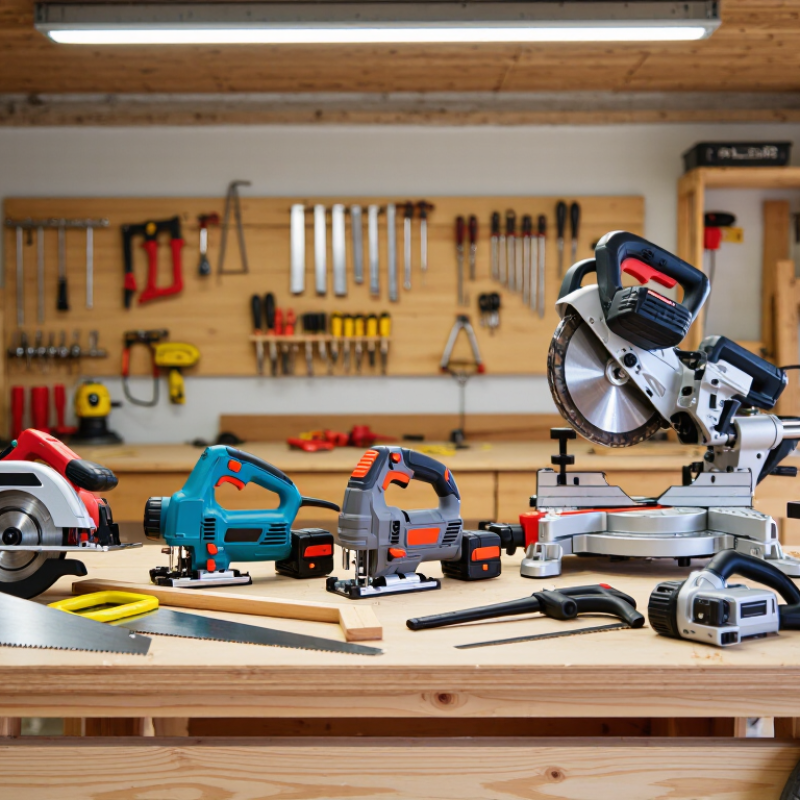
A saw tool is any cutting device that uses toothed, abrasive, or continuous edges to remove material. Its purpose changes with the job. A hand saw suits controlled cuts in timber. A circular saw handles long, straight cuts quickly. A reciprocating saw reaches awkward spaces, such as between wall studs or beneath flooring. A jigsaw follows curves, while a miter saw helps create accurate angled joints. The tool is not defined by power alone. Blade design, cutting depth, control, and material compatibility matter more.
In practical work, I check the material before choosing a saw. Wood, metal, plastic, and masonry require different blades and cutting speeds. A fine-tooth blade can leave a cleaner edge, but it may cut more slowly. A coarse blade removes material faster and can produce rougher surfaces. I once chose speed over control and damaged an otherwise usable board. That mistake still influences my setup. No saw does everything perfectly. Dust, vibration, noise, and limited visibility can also affect accuracy and safety.
Tips:
Mark the cut clearly and support the offcut. Let the blade reach full speed before contact. Keep both hands positioned away from the cutting path. Inspect the blade for cracks, missing teeth, or excessive wear. Wear eye protection, hearing protection, and suitable footwear. When the cut feels forced, stop and reassess. The problem may be the blade, the angle, or the wrong saw.
How to Choose the Right Saw for Materials, Power, and Cutting Needs
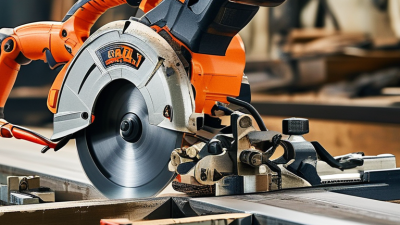
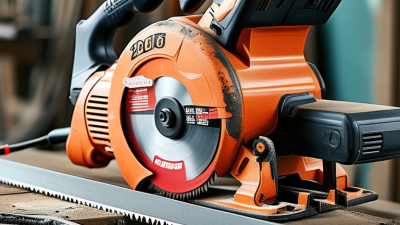
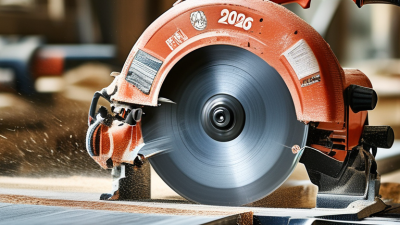
Choosing the right saw starts with the material, not the tool’s appearance. For clean wood cuts, a circular saw offers speed and control. A jigsaw handles curves, openings, and thinner boards. For demolition or awkward repairs, a reciprocating saw works well, though its cut can be rough. A miter saw is more precise for repeated crosscuts and angled trim.
Match the blade to the material. Coarse teeth remove wood quickly, while fine teeth reduce splintering on plywood and laminate. Metal requires a blade designed for metal, with slower cutting and firm support. Masonry needs a suitable abrasive or diamond blade and careful dust control. Blade length also matters; too much exposed blade can increase vibration and reduce accuracy.
Power depends on the job and your workspace.
Corded saws deliver steady output for long cuts, while cordless models improve mobility around unfinished rooms. Check battery capacity, motor strength, and the expected cutting depth. I usually test the saw on scrap material first. It reveals vibration, wandering, and blade behavior before the real cut. Small mistakes happen.
Keep both hands positioned safely, clamp the workpiece, and let the blade reach full speed before cutting. Protective glasses and hearing protection are practical necessities. Disconnect power before changing blades. A tool that feels powerful may still be the wrong choice if it leaves burn marks, ragged edges, or an unsafe cutting position.
The Best Saw Tools for Woodworking, Construction, and Home Repairs
A well-chosen saw can make woodworking, construction, and home repairs safer and more precise. In my workshop, a circular saw handles sheet goods and framing lumber quickly. A jigsaw follows curves around sinks, shelves, and templates. For straight cabinet cuts, a track saw offers cleaner control with less guesswork. It is not magic, though. A dull blade can ruin excellent material.
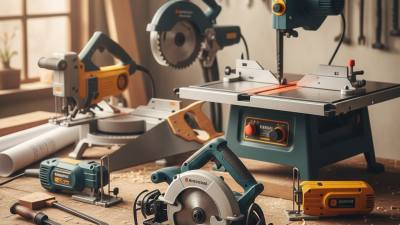
A miter saw is useful for trim, framing angles, and repeated crosscuts. A table saw delivers consistent rip cuts, but it demands careful setup and steady hand placement. For demolition or awkward repairs, a reciprocating saw reaches pipes, nails, and damaged boards. A compact trim saw helps with lighter tasks. A coping saw remains valuable for small curved details. Small jobs matter.
For delicate woodworking, a scroll saw provides fine internal cuts. A hand saw or keyhole saw can solve quick repairs without cords or batteries. Each tool needs the correct blade, cutting depth, and material setting. I check the workpiece for screws before cutting and support both sides when possible. Eye protection is essential, even for short cuts. Hearing protection helps during long sessions.
My own mistakes taught me to measure twice, then inspect the layout again. I have rushed a cut and lost usable wood. That lesson still influences every project. Read the tool manual, secure the material, and replace damaged blades immediately. Good results come from controlled speed, suitable blades, and patience—not from forcing the saw.
How to Compare Saw Tools by Performance, Portability, and Value
Choosing among ten saw tools in 2026 requires more than comparing cutting speed. Performance should match the material, workload, and expected finish. I test each tool on framing lumber, plywood, and thicker hardwood. I watch for clean edges, steady tracking, vibration, and heat after repeated cuts. Numbers help. However, a fast saw that struggles with accuracy can waste time and materials.
Portability changes the buying decision. A compact cordless saw suits overhead work, repairs, and unfinished spaces. A heavier corded model may perform better during long cutting sessions. Check the tool’s balance, grip shape, blade adjustment, and visibility around the cutting line. A bright work light helps in dim corners. It does not fix poor control. Battery tools also need spare batteries, which can raise the real cost.
Value means total ownership, not the lowest shelf price. Include blades, batteries, chargers, maintenance, and replacement parts in your comparison. A durable motor may justify a higher cost for daily users, while occasional users may prefer a simpler tool. I have sometimes chosen lighter equipment and regretted losing power on dense wood. That mistake matters. Read the manual, compare verified specifications, and test the tool whenever possible. Real hand comfort can differ sharply from a product description.